
The Smokeless Word
From the nuances of smart regulation to the cultural and political forces driving public health change, a new podcast invites listeners to consider what it truly means to build A Smokeless World.
The Smokeless Word is a thought-provoking new series hosted by Kingsley Wheaton, opening up reflective and unfiltered conversations with a wide range of guests – including cultural commentators, policy thinkers and creative minds.
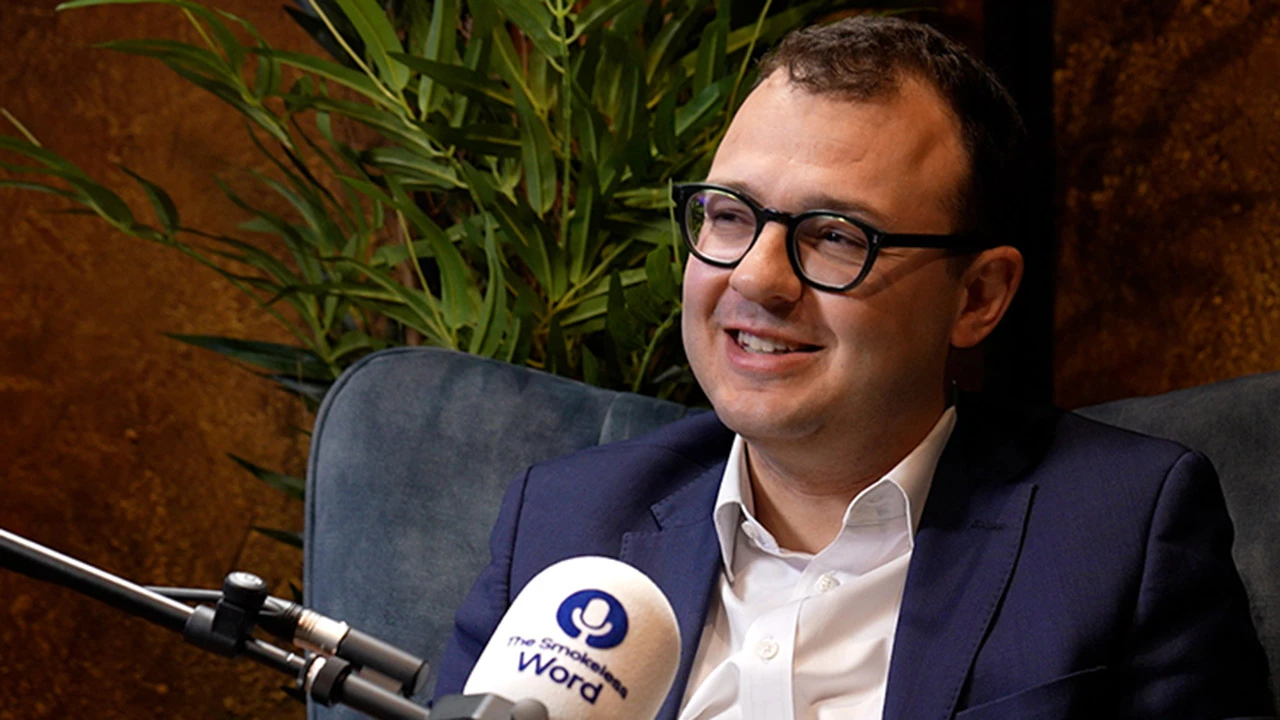
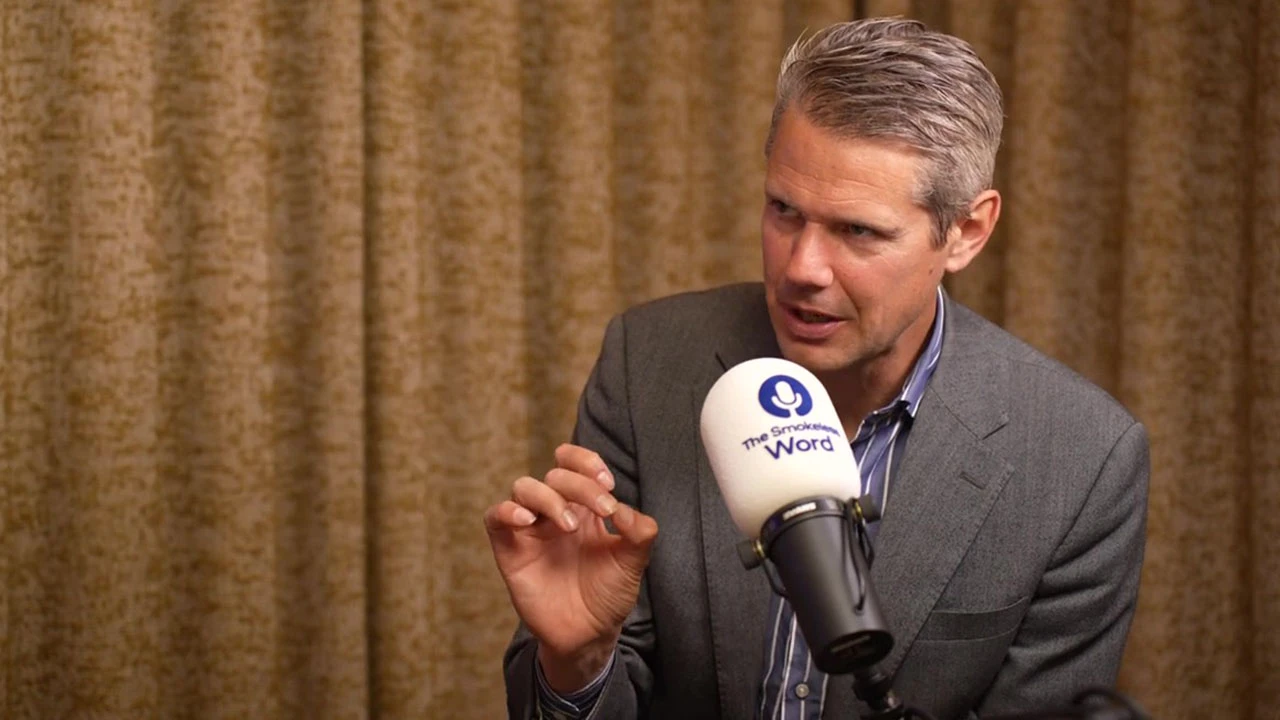
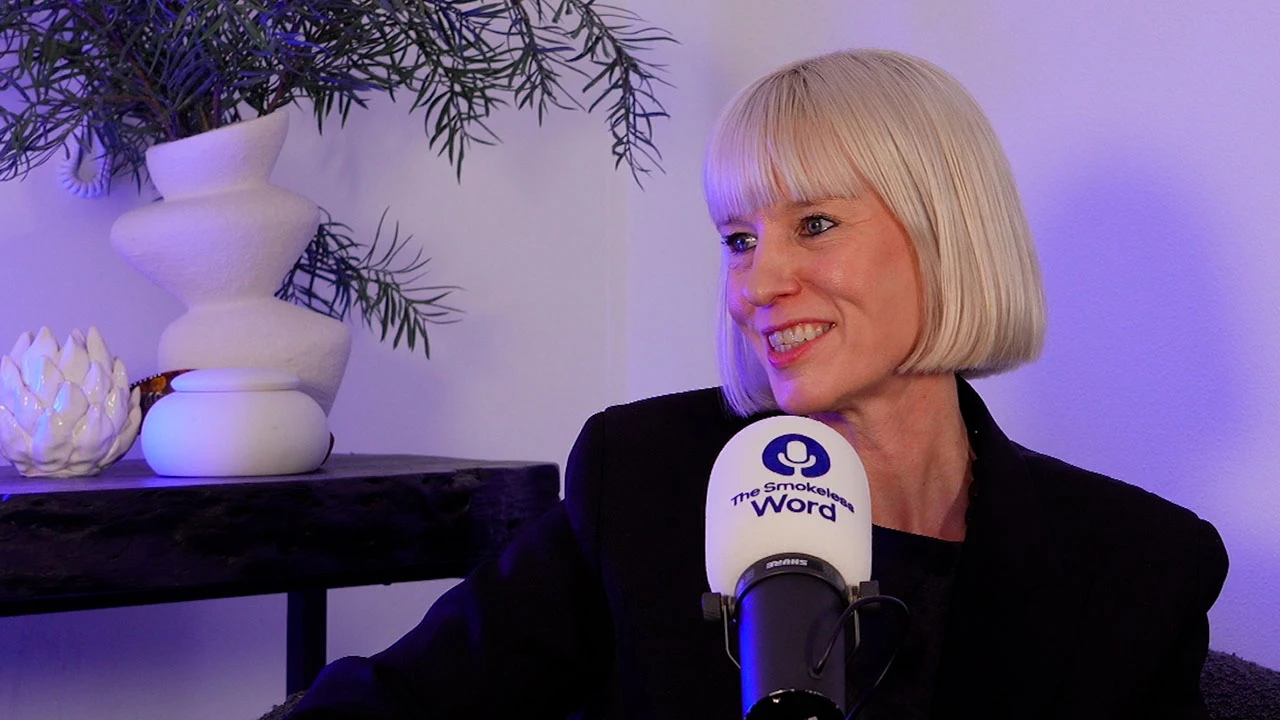
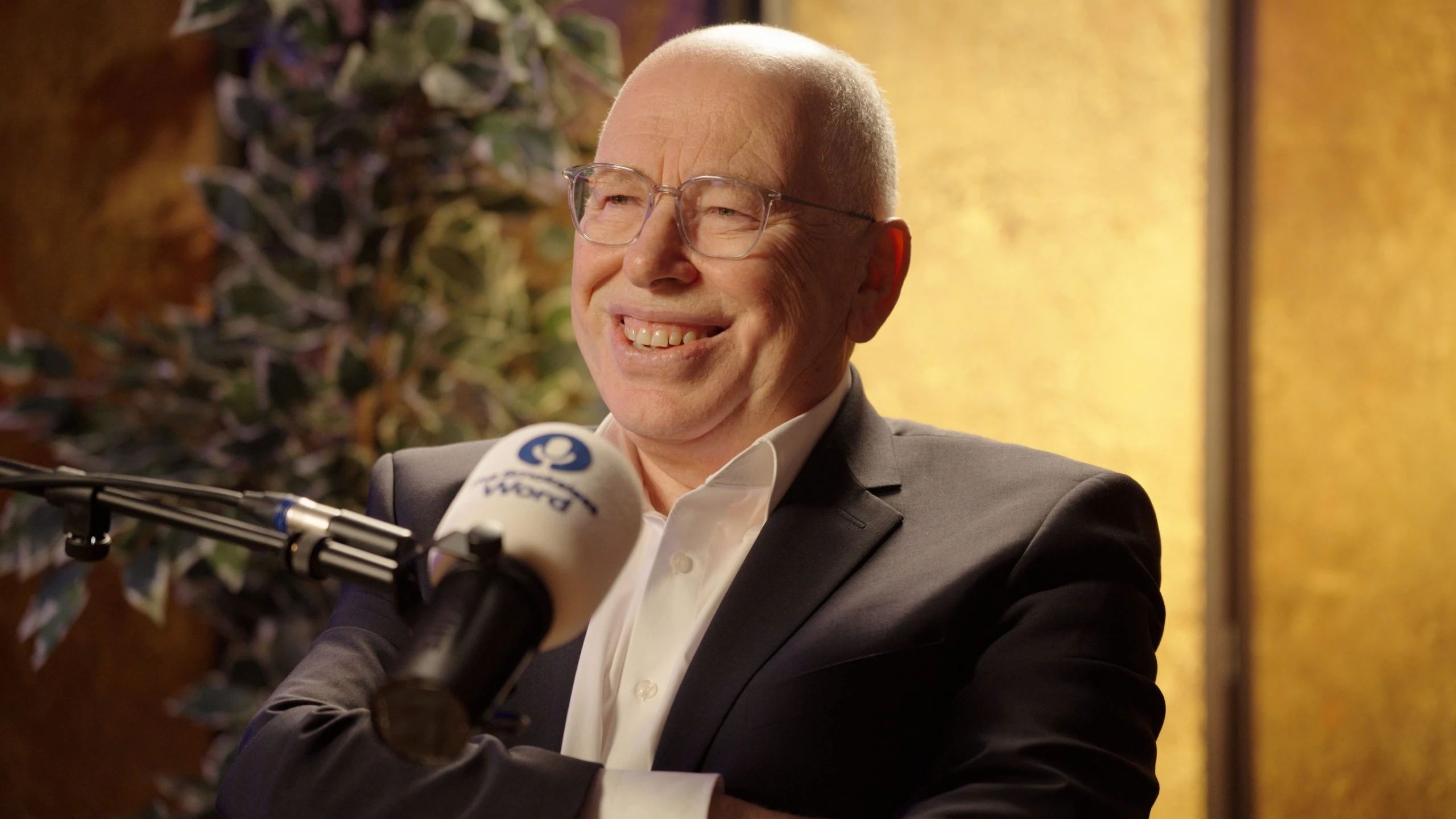
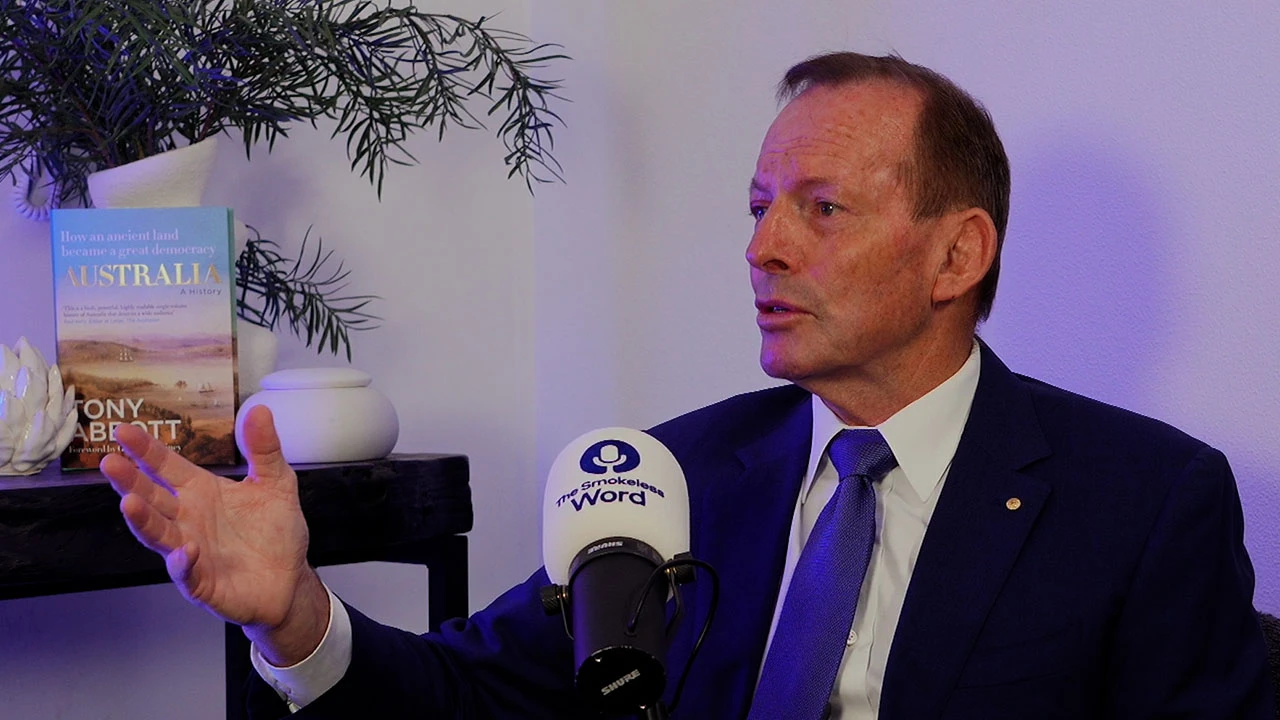
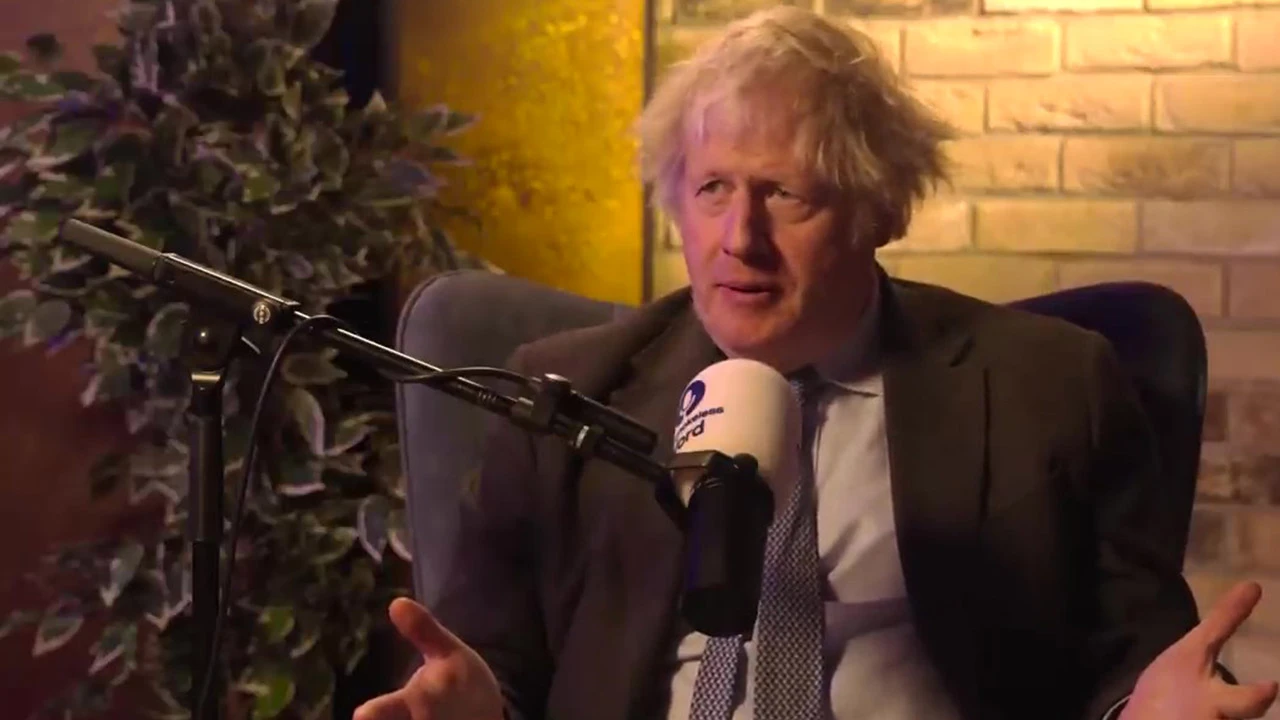
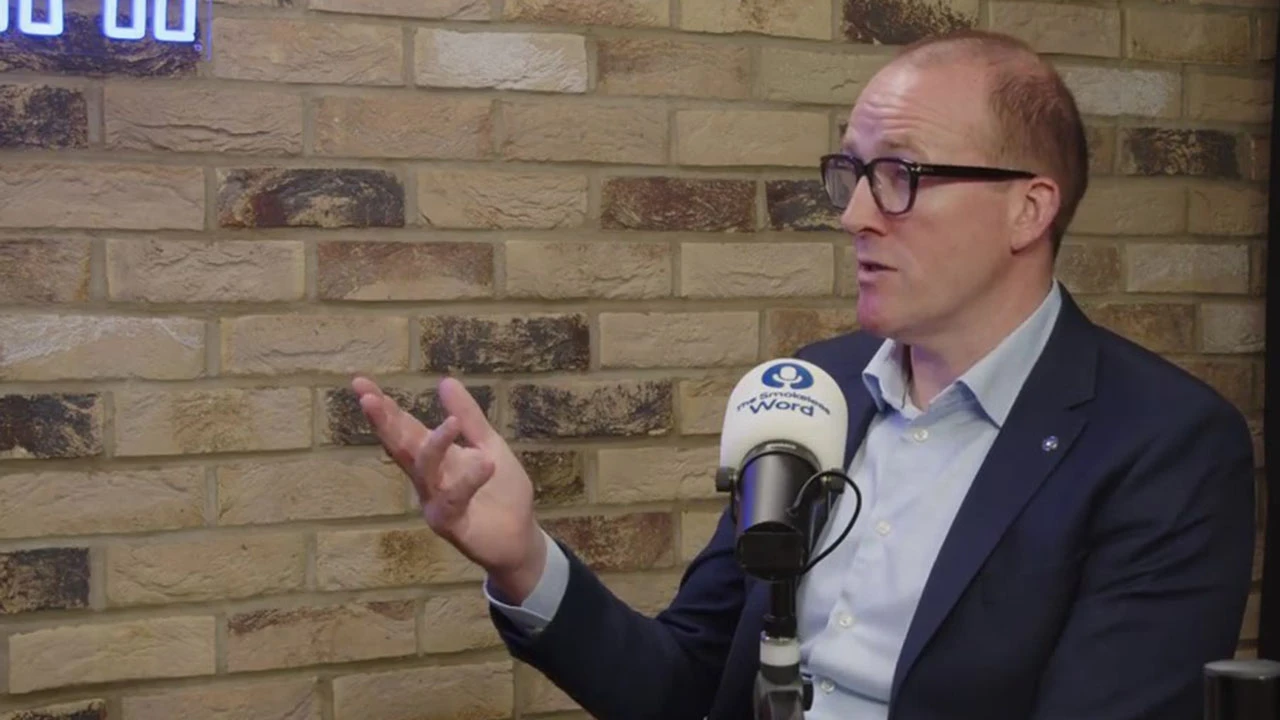
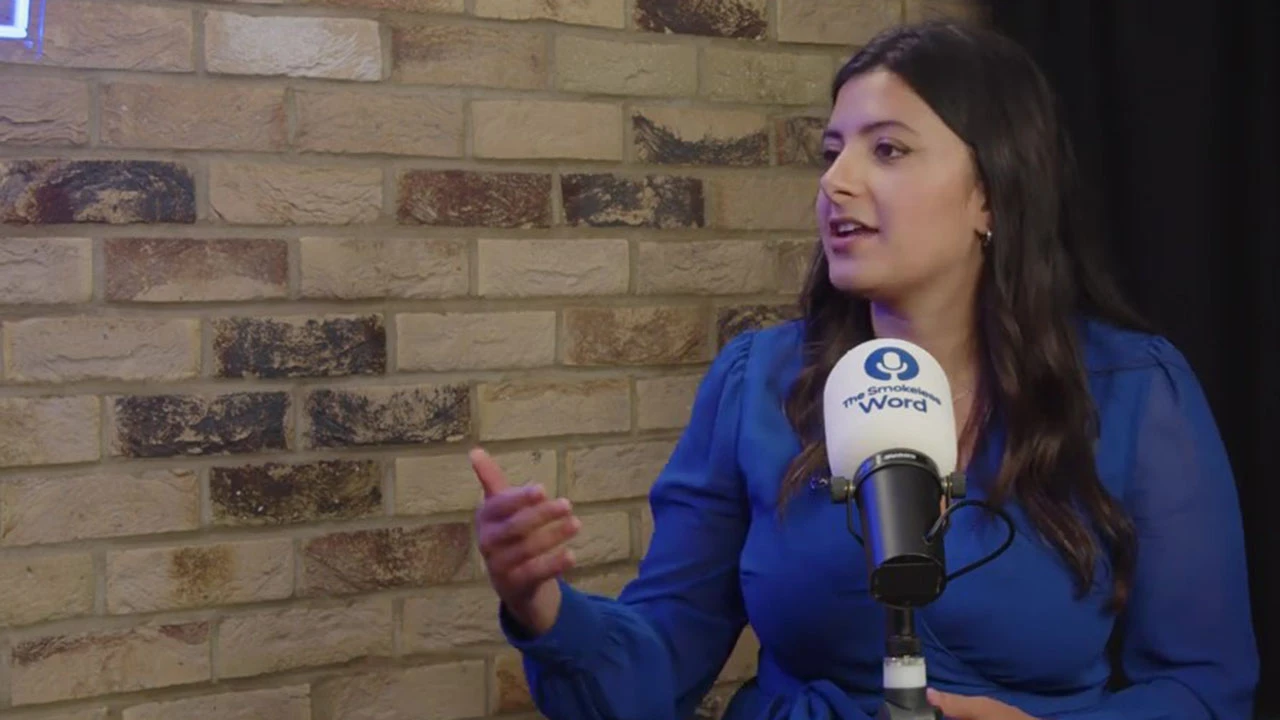
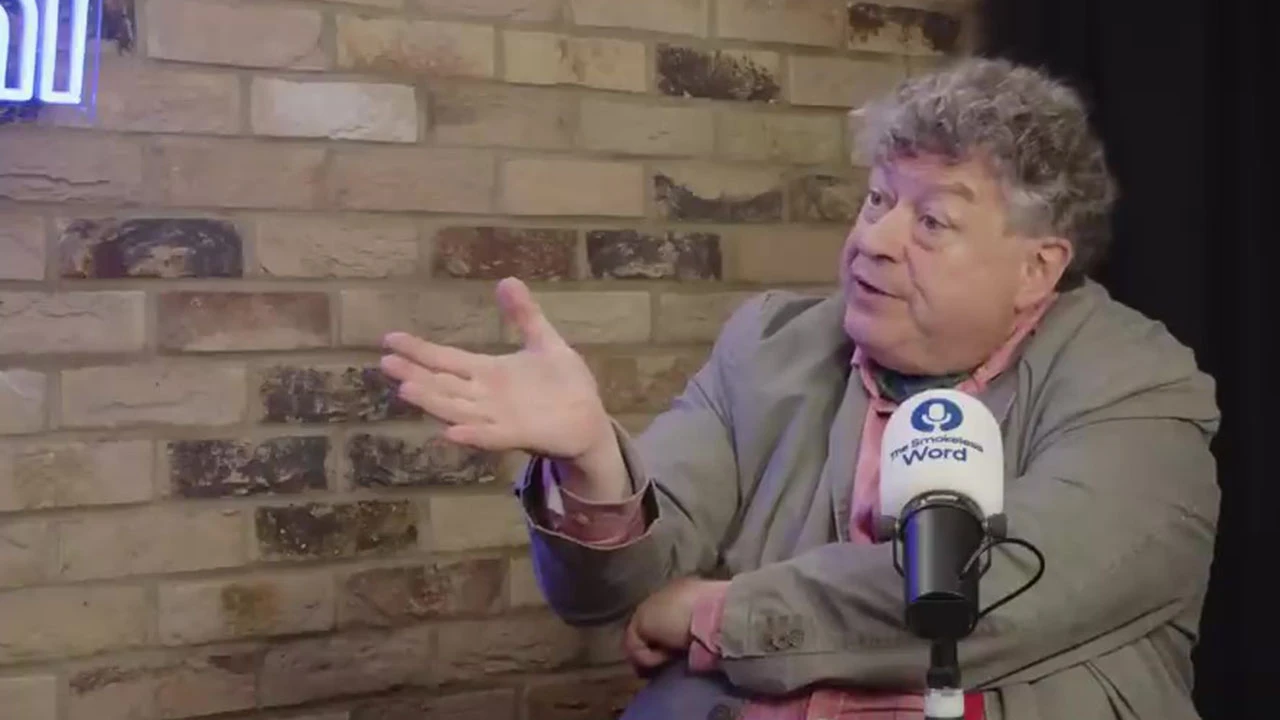
Season one brought diverse voices including advertising legend Rory Sutherland, political commentator Reem Ibrahim and Australian CEO Theo Foukkare. Season two continues with amoungst others, Swedish politician Nike Örbrink, global health expert Derek Yach, CEO of McLaren Racing, Zak Brown and former British Prime Minister, Boris Johnson.
You can find the latest episode below, and can catch up with previous episodes you may have missed.
Episode 27 - Johnny Moloto
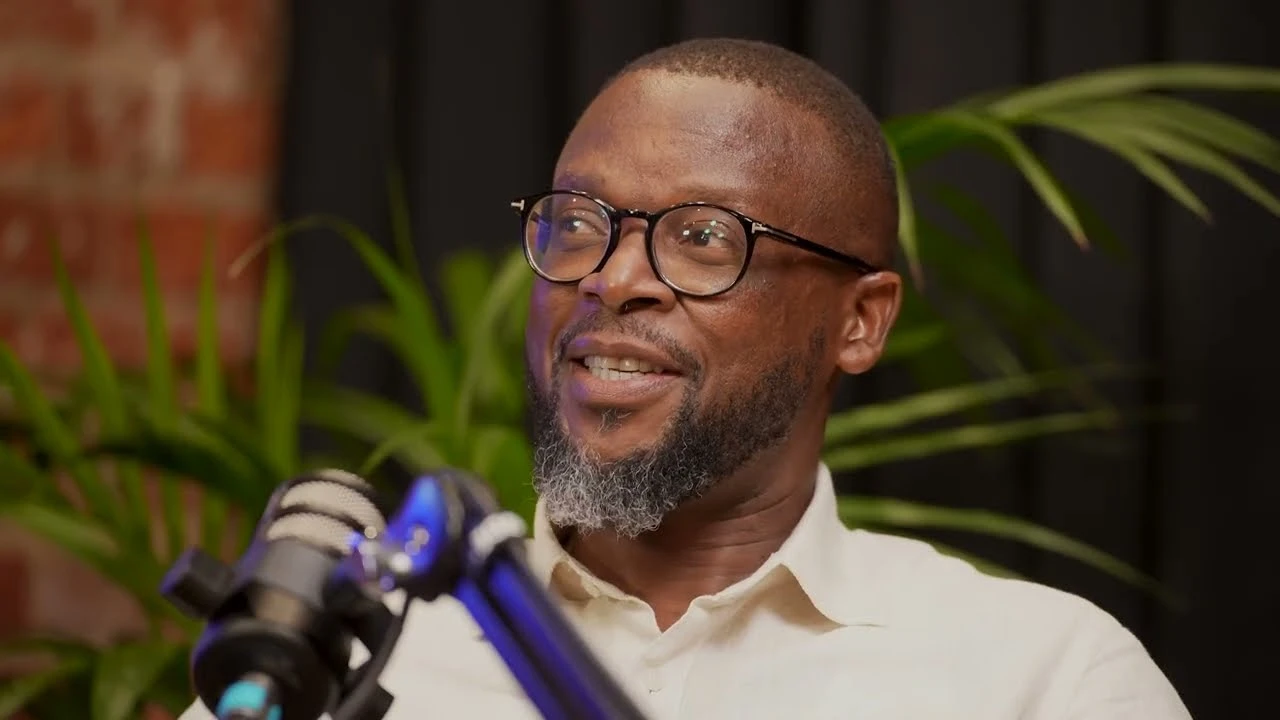
Johnny Moloto
It's a massive, massive problem.
Kingsley Wheaton
Can you just sort of size how big illicit is and what scale of a problem it is in South Africa?
Johnny Moloto
You see it now sitting at 75% This is a national crisis. We need to deal with this.
Kingsley Wheaton
What are the solutions?
Johnny Moloto
For now, it's just commitments and pronouncements. You need to start prosecuting them.
Kingsley Wheaton
Welcome to the Smokeless Word, filmed today in Cape Town, where I'm joined by none other than Johnny Moloto, head of Corporate and Regulatory Affairs at BAT for Africa. Johnny and I chat about his journey from a promising diplomatic career in Washington, to the private sector and the stark realities of the South African market, where illicit trade now dominates, draining public finances and fuelling organized crime. It's a wide-ranging conversation on crisis and reform, from factory closures and enforcement challenges to the potential for innovative nicotine products to help shape a genuinely smokeless future for Africa, I hope you enjoy this episode. This podcast is intended for regulators, scientists, policymakers, and investors only. The views expressed in this podcast are the personal opinions of the speaker only. Any references to products having a reduced risk or reduced harm are based on the weight of evidence and assume no continued smoking. This material is not intended for U.S. audiences. So, Johnny, welcome to the Smokeless Word South Africa studio. Thank you very much, Kingsley. What do you think? Do you like it? I love it. Yeah, my debut. It's not bad. Your debut, your podcast debut. Well done. Now, look, Johnny. Just for the listeners, you're director of corporate and regulatory affairs for BAT for basically all of Africa. That's it's an enormous patch. You know, an enormous amount of markets to cover. How do you stay on top of all of that. Yeah, I mean, Kingsley, you have to motivate yourself. You know, it's a very complex environment, very big environment. We just call it home, right? And that's first and foremost where you come from. And as BAT, we are here to make a difference. Smokeless Word, as you say, right? This is what we're trying to do. This is what we're all about, right? To make it better for our consumers, of course. But I mean, you know, you have what I don't know,
Kingsley Wheaton
not maybe not all the markets we're active in, but we have many, many markets. Just staying on top of what's going on must be a challenge.
Johnny Moloto
It is a challenge. However, I've got a very competent team and able team that actually helps me navigate through all of this, and that make that makes it easy. When I can know that there are people I can count on that know their markets, that know their space, are in control of their spaces.
Kingsley Wheaton
It's all about teamwork. Very much so. Great people. Well, let's take you back to your pre BAT life. You and I were talking earlier. 16 years in government, 10 years as a diplomat, stationed in Washington. You worked also in the presidency. Just tell me about you know those years. That sounds, I think, to our listeners that will sound exciting, challenging. How was it? What did you experience?
Johnny Moloto
Look, when I joined government, I joined it during the time of President Mandela, where it was for the greater good, right? We had a greater purpose in government, and when I went straight from uni into that space, for me, it was always about making a meaningful contribution. That you know, here's a man who sacrificed so much for us in this country, I would like to be part of that story, and that was what motivated me to stay that long in government, right? And I think eventually, when I became a diplomat, that was you know the pinnacle of my career. That's what I always had wanted to do. Believe it or not, Kingsley, when I started at uni, I wanted to be a lawyer, but that changed pretty quickly when I realized that my skill set lay elsewhere, and I pivoted, right? Pretty much like I pivoted my career from government after 16 years to come to corporate.
Kingsley Wheaton
Let's just think what could have been, you know. I suppose we wouldn't be having this conversation now, would we? Because you'd be doing something different if you'd become a lawyer
Johnny Moloto
goes to show you that you know the future is unpredictable, right? It can be anything you divine it to be, right? Here we are today. Who knew that I'll be working for a big company such as BAT? You know, quite a rewarding career that I've had in my seven years here.
Kingsley Wheaton
And then you know, let me take you back to that first day, you know. You flew into Washington. How was it? First day in the where were you working in in the embassy? And I was working in
Johnny Moloto
the embassy. Yeah. Funny enough, I left South Africa on the 15th of December, height of summer. Right. I land in Washington, right in the midst of snow-mageddon. I had never experienced snow before, and I thought it was just powder. You could just walk all over it, and I was trapped in a hotel for two weeks because nothing was moving. Right? It was actually quite an awakening for me because I thought, oh, why are people so you know obsessed and concerned about safety and this? This is just powder, but actually, you realize that it's a different environment altogether. That's the first sense of shock you get as an African in such a freezing temperature. But it was four of the best years of my life. You know, once all of those things changed, I suppose the change of weather was also the change of mood, and the realization dawned on me that I'm now in a different world, right? Adjusting and acclimatizing to that.
Kingsley Wheaton
And how many how many fellow South African diplomats were with you in Washington?
Johnny Moloto
It was quite big because we had an embassy with about I would say 80 people, including the consulate, right? And in the role that I was in, I was the head of the chancery. So head of the chancery, I report to the ambassador, but that means actually I was the COO of the embassy, right?
Kingsley Wheaton
The COO of the embassy.
Johnny Moloto
Yes.
Kingsley Wheaton
And you were pretty young. I was pretty
Johnny Moloto
young, and remember, in the diplomatic space, you work your way up to Washington. You don't start in Washington. That's where you finish your career. Yeah.
Kingsley Wheaton
Very very exciting. And where did you live? Did you have a big, you know, embassy house, or were you in a flat where you all lived together?
Johnny Moloto
So thanks to our legacy, I think the guys had invested a lot in real estate. So we had quite a massive property, and it was just the three of us, right? And I think it was befitting of the stature of the role that we're in because we hosted a lot of events and very important events in that residence, right? Owned by the South African government, and when we arrived there, it was very dilapidated, very grubby, but we turned it into something special and flew the flag. And you know, guess you wouldn't believe who my neighbour was.
Kingsley Wheaton
Who was your neighbour? Go on, tell me. I think you're going to tell me, aren't you?
Johnny Moloto
Tucker Carlson. Tucker Carlson. Yes. Oh, there we go. There's wheels within wheels. Yes. And I suppose
Kingsley Wheaton
like it's a theme I want to come back to a bit later. But you know, back then in you know post-apartheid South Africa, the diplomacy, particularly South Africa, U.S. but Washington, you know, the number of diplomats, leaders that come through, it must have been it must have been a very, very exciting time for the relationships.
Johnny Moloto
It was a very exciting one. Remember, it was President Obama's first term. Very great optimism, very great goodwill from Africa as a continent, not just South Africa. And remember, I came on the eve of the World Cup, so there was a lot of goodwill towards us. So we're the flavour of at least a good 12 months, right? So it was, I would say, quite a nice landing for me, because I arrived at a time when our ambassador was exiting, so for nine months I was the charge d'affaires. So basically, I was the acting ambassador, and in my first three months, I got to meet all the power brokers. So had lunch with Vice President Biden, met President Obama, and I met Secretary Clinton. And there was a funny story actually when I met President Obama, because it was when he hosted the Nuclear Security Summit, and there we were sitting in this long in this room with a long table, and all the presidents were there-Putin, you know, Sarkozy, and whatever you-and it turned out that day was our president's birthday, so I saw all these guys carrying gifts, you know, bringing them into the room, and then after that they all upped and left after they wished him a happy birthday. Now I was stuck with all these gifts, having to chase after the convoy, the motorcade of the president with all these gifts was was quite an experience.
Kingsley Wheaton
Great memories.
Johnny Moloto
Yeah.
Kingsley Wheaton
Look, I don't know, you know. I want to. I want to go to the next stage of your career.
Johnny Moloto
Yeah, I
Kingsley Wheaton
think many of our listeners will be thinking, why did you move on from that? But we can talk about that. You then joined IBM and then Pfizer. Yeah, you know, I suppose given the stories you've just told me, what motivated you to leave the, you know, the foreign service diplomacy and and start a career in in the private sector.
Johnny Moloto
I think, like I said earlier on, Kingsley, you work your way up to Washington. After that, there's nothing really exciting when you come back home, right? You outgrow your old role. You outgrow what you were doing before. And I thought I would take a sabbatical, do my PhD or something, and then IBM came. They had attended me. I had met them. Actually, they were my first business appointment in Washington, and they say would like you to join us. And for me, it at that time it was unthinkable that you know I would enter into an executive role in the private sector where I had zero experience. They took a bet on me. Right, and I joined the Big Blue. It was really a wonderful experience, but I remember our sales director telling me that you've done it all in the space. You should come to sales. You should come to a commercial role. You'll be bored in six months in this role. Oh my God, was he so right? You know, in six months I was like twiddling my thumbs and saying, "Okay, I'm still so loyal to this company that gave me an opportunity, but it's time to move on.
Kingsley Wheaton
And that then was the move to Pfizer. That was the move. I mean, quite a big transformation in itself from a sector to sector. Exactly. Big blue pharmaceutical. What was the what was the thinking? What was the motivation then?
Johnny Moloto
So the interesting bit is that the person who recommended me to the to both companies was the same person, and he said, "I think it's time for you to grow now, stretch yourself a bit. You know, they need some help. The site, and as it happened, they were actually next door to each other. So I just changed addresses, moved from one entrance to the next, yeah, and wonderful years in Pfizer,
Kingsley Wheaton
and that was also in you know public affairs, government affairs, public
Johnny Moloto
affairs, government affairs. But I also actually led the function called Health and Value, which was responsible for our tender business as well as our pricing. So that was my first foray into the commercial side of the business.
Kingsley Wheaton
And I imagine it stood you in good stead. Let's talk then before we get on to the South African market, which I think is the conversation I really want to have. Joining BAT in 2018, so you've done IBM, you've done Pfizer, now BAT. How did that come about? How did you feel about the opportunity? You must have weighed it up quite carefully. What convinced you to say yes and and and and join BAT back then? What is it? Eight years ago?
Johnny Moloto
Yep, yep. I must say, you know, if there's one thing I will always remember about BAT was I had two different sets of recruiters calling me. One was local, and they called me up and say, "I'm calling from British American Tobacco. I have a job offer for you. Said, "No, thank you. I've got a job already. Bye-bye. And then I got a second group of recruiters from Globe House. They called. Oh God, they were very good. Said they said to me, "Oh, we've we've seen your profile, and we need help. We think you can help us. That was very flattering. Yeah, yeah, you could help. Tell me more, and and and you know, as they say, the the rest is history. But I think what the employee value proposition they put on the table was so compelling, you know, and so moving that I then you know move beyond you know the product, what it is that I had known the company to represent, and started listening to the story, you know the human story behind it, right? How the company takes care of its people, you know what the opportunities are there, and I realized that this could be a wonderful career opportunity and a growth opportunity for me. And you know, so far it hasn't disappointed. It's been true to that very first day I had that conversation, and I haven't regretted it one bit. It was
Kingsley Wheaton
great. I feel good. You know, you you you've we've out outlasted at BAT, IBM, and Pfizer put together. So that's good. I want to talk to you about family and friends, Johnny. I mean, you know, there's always a Rubicon to be crossed for people joining our industry. I think sometimes because of stigmatization.
Johnny Moloto
Yes,
Kingsley Wheaton
you know, what was the advice? What was the view of friends and family then, and has it changed? You know, eight years later, as you know, you've come to understand it and also represent that challenge in in your own way.
Johnny Moloto
Yeah, and I'll tell you, I think the first time I came back and I told my wife that I've been interviewing with BAT, the penny did not drop. I think silently she was praying. Oh, I hope he doesn't get it. And when I said I had an offer, there was just deadly silence. And I think she needed to internalize it and recover and remember who I was, right? And trust my judgment. We've been together since 96, and understand that you know I wouldn't make such a rash decision without having thought about it. That it's something that knowing who I was, where we come from, that there would have been a compelling reason why I would take that leap, right? And similarly with my friends as well. These are people I grew up with that actually trusted my judgment that so far I hadn't had a step wrong in my career, therefore I would have made a decision that was very well considered. And today, I mean, it's something that they absolutely respect that you know I made the right call. The fact that I've stayed this long.
Kingsley Wheaton
Interesting. Okay, thank you for all of that, Johnny. I want to turn now to South Africa. Not always an easy conversation. I want to talk specifically about the South African market. Illicit trade, you know, illegal products are rampant. Can you just help the the listeners understand? Can you just sort of size how big illicit is and and what scale of a problem it is in South Africa?
Johnny Moloto
Yeah, and for the South African audience, because they often struggle to understand illicit, just to contextualize it. It's basically products that have evaded duty or taxes, right? Evaded
Kingsley Wheaton
duty. Yes, that are
Johnny Moloto
not paying the appropriate taxes that are required by government, right? Because these are excisable products, and what we saw in South Africa is that from about 2010, you had the entrance of what there were the so-called chippies, right? And it was very insidious, a very slow burn, up to where you see it now, sitting at 75% of a
Kingsley Wheaton
market. 75% 75%
Johnny Moloto
right? And and I often make an example to people. I say, imagine, just forget the product that or products that we sell. Imagine if it was any other industry, automotives, which is big in South Africa, that 75% of those vehicles were not paying the road levy, were not paying any taxes. That is a catastrophe, right? And I say this is a slippery slope. It starts with one industry, and you know, and so it goes. So today, the illicit economy is massive, let alone the the cigarette one. Right, it's a massive, massive problem. Can
Kingsley Wheaton
you can you dimensionalise that more for the listeners? How how much I don't know? How much is the South African fiscus losing? What are the societal consequences? Is it denying public sector investment because of that? What what's the what's the scale of it in sort of impact terms?
Johnny Moloto
Put it into context, it's about 100 million rands a day.
Kingsley Wheaton
100 million rand a day that
Johnny Moloto
is being lost right to the fiscal. Okay, if we look at that money, we look at some of the challenges last year alone. Government wanted to increase VAT to close the gap of of 27 billion, right, to the fiscals. So, and that was money that was left on the table. Imagine if government put all its efforts in tackling that problem instead of increasing VAT. That impacts now everybody, whether you are a smoker or not. A VAT increase would have hit all of us in the pocket. Yet there's money on the table, and the only people that benefit from that are the crooks, right? Are the criminal syndicates that take money scot-free and smile all the way to the bank if they bank it at all?
Kingsley Wheaton
Do you think is there a, you know, as I look at illicit around the world, is there a sense, a strange sense that this is a sort of victimless crime? Do you think that's how people sometimes think about it?
Johnny Moloto
I think it used to be like that, but I think it's starting to become more and more clear. It's dawning on government, right? Through efforts, since I joined BAT, this has been a problem in 2018, right? It's starting to dawn on government now that actually, once you see the criminality that goes with that, because there've been murders that have been attached to this, you know, gangsters fighting each other over territory over the space, right? So you are starting to see that actually this is a huge erosion because the government can see it as well in its revenue collections. That year on year you get a decline. You increase your excise taxes every year, but you don't get the necessary returns. In fact, if anything, you have you have had a total collapse of your excise from cigarettes. So that's a huge problem.
Kingsley Wheaton
And why do you think it's so deep set? Why is it so entrenched? I mean, as you said, it's not a it's not a recent phenomenon. The the slow, insidious creep of it. 75% means it's very deep. It's very systemic. Why why is that?
Johnny Moloto
Yeah, very very poor judgment and decision making. Right, bad policies. For example, when I talk about our excise policy, our fiscal policy. That you think you can go after a certain share of of the market by increasing taxes when you get nothing in return for that. So it just shows you something that somewhere something is broken, right? But again, if we start looking, because COVID crashed the entire industry, it overturned the entire industry. Your sales were banned, weren't they? Sales were banned, but cigarettes shot up, and once the ban was lifted, the prices went down, and but they didn't go down to the level where they were still paying duty, right? So what you have had over that period of time, you are having more and more players enter. In this space, today we talk about 55 brands that are illicit, and people often think that it's a smuggling problem. No, it's part of it, right? However, it's homegrown,
Kingsley Wheaton
right?
Johnny Moloto
Homegrown, 80% of it. So it shows you the scale of the problem that it's massive, right? And not only is it eroding the tax base, it shows you what could have been reinvested into actually socio-economic development of this country.
Kingsley Wheaton
Yeah,
Johnny Moloto
right. But it's all it's the all the hardworking South Africans that are actually carrying the burden of the. It's even criminal criminalizing the very small players that are in the survival economy, because suddenly they have no choice but to actually sell, because these are the products that are moving.
Kingsley Wheaton
When it's so prevalent, why you know I think I think the excise tax in South Africa per pack is something around 2324, rand. Why is it not obvious when you know you're at retail at a retail store, convenience. You know, and and as a pack, would blow that even that excise tape. Why is it not obvious that that is a legal product for the enforcement authorities?
Johnny Moloto
I think it is obvious because I think that what is lacking, although we're starting to see the tighten, was the political will to do that? Because common sense will tell you that if a product sells at 10 rand, you get it at 10 rand, even below that, right? And the tax alone is 23 rand 38 thereabouts, excluding VAT. It tells you that something is very wrong. In fact, there was a member of parliament who went around outside parliament buying packs of cigarettes and showing them on on X to say, look at this, you know, I just bought this for this amount, and he understands because he's in the finance committee. He understands how actually taxation works and how you actually build up the price per pack to get to what will be an economically viable price because you can't have a loss leader for your entire portfolio, can have one or two, but not the entire portfolio. And what is
Kingsley Wheaton
economically viable? What what what what sort of break even?
Johnny Moloto
I mean, it's about 37 rands. They put it there about yeah yeah yeah yeah, and because you have to then add your margins and everything else that builds up into the price that you know can sell at a sustainable. What about tax
Kingsley Wheaton
stamps? Are there tax stamps? Are they counterfeited, or how does that work?
Johnny Moloto
We don't have tax stamps as much. Something that's been talked about. There's been a lot of talk about track and trace. South Africa actually is still yet to ratify the illicit trade protocol,
Kingsley Wheaton
right?
Johnny Moloto
Even though they signed onto the FCTC in 2005. So all these years, year in year out, you hear that we'll ratify, we'll ratify. So if you are committed, because we've always been hearing the right noises, if you are committed to tackling that, you would have by now actually have said this is a national crisis. We need to deal with this, right? But I think there is a recognition because it's not a generic problem. There is a recognition I know from the revenue services because they can see the numbers. The numbers don't lie that they're collecting less and less from this, right? They can see that actually there is a massive problem, and the outgoing commissioner has been very vocal about it, and we wish the new commissioner very well because we think also his heart is in the right place that we hope we can sustain the momentum, but not also further put the boot down the neck of ordinary taxpayers, but go after the criminal syndicates because that's where the money is sitting. Can I talk to
Kingsley Wheaton
you about like to talk to you about progress? I mean, how how how does this build? You know, you you want to get political awareness, you want to drive political will to act? Then you want action, and eventually you get outcomes, which I suppose would start to see the decline of illicit trade. Where do you feel that South Africa is on that journey through your perspective?
Johnny Moloto
Yeah, I think we are starting to see. You know, you start from the awareness. I think the awareness is now there. We've started seeing the political will. The president just recently, in his State of the Nation address, announced the National Illicit Economy Disruption Program, which is going to put some coordination around all your law enforcement agencies. As well as last year, the minister gave some budget towards the Revenue Authority, which is not nowhere near enough, right? If we look at Kenya alone, they have twice the size of the number of law enforcement, twice
Kingsley Wheaton
as many in Kenya as all of South Africa. Yeah,
Johnny Moloto
yeah. If you want to show commitment towards tackling this, so hopefully this is built towards that. That this is now something that the government is paying serious attention to, but not only that. We've also seen some very very positive actions from the border management authority. But you know, at the end of the day, is when you see the incident lower that you'll see that there's progress. Is when you'll see people actually being prosecuted that you'll say now we are starting to see the needle move. Right, for now it's just commitments and pronouncements. It's a good start, but back it up with action. And action simply means that you shut these illicit operators down. Don't give them a break. They've been profiting for over two decades. No breaks. Right, you need to start prosecuting them. You need to do proper auditing of their finances and make sure that actually you do shut them down.
Kingsley Wheaton
Now, what, what, with that in mind, I mean, what, what would you like to see more of? What are the solutions? I mean, surely there's no silver bullet, there's no one thing. But what would be the sort of top three things, three or four things that you'd like to see the government take seriously in terms of action. Yeah,
Johnny Moloto
firstly, try to have a sensible and sustainable excise regime. We know we have a three-year rolling budget cycle. Tie that to that because then you can forecast your revenues, right? And your excise calendar should reflect that and be sustainable, right? And two, we had called for putting customs officers in manufacturing sites because we saw that work in 2019 because it served as a deterrent effect because they can monitor production, they can monitor what is released for the home consumption. Then we're saying like seriously consider you know production counters with you know cameras fixed to that monitor production in real time, track and trace, but also some fiscal measures that you can put in place, such as a minimum retail price, because that helps you to create a force multiplier. Because right now you are reliant on a very small pool of specialized people, you need to actually expand that to your ordinary police, your ordinary, you know, metro officers that can say anything below this price is illicit. Oh, so
Kingsley Wheaton
that's more about identification. That's like okay, if there's a minimum retail price and it's below that, by definition, it's a legal product.
Johnny Moloto
Yes, yes. Because at the moment, if any other officer sees this product that they can see this is suspicious pricing, they still have to get the revenue authority to come and verify for them. It's a very technical process and very laboratory, quite cumbersome, very cumbersome. Yeah.
Kingsley Wheaton
And look, my final question on this, Johnny, and I'm sure you you hope and wish for a lot of things. Excise itself, you know, it's it's it may seem far fetched to some. Do you think a reduction in excise is is possible? Do you think that's politically possible? And would you recommend that to government?
Johnny Moloto
I don't see any reason why it cannot be done. Right, because if there is the understanding that this is a national crisis, a reduction in excise will help legal products to be able to compete. Because what it will do, it will close the pricing gap. You know, from the cheapest duty-paid product to the most expensive duty non-paid product, and that's what you need. All we're asking for is just an equal playing field, you know. We're not asking for any special favours. Like the rule of law must apply to all equal. And
Kingsley Wheaton
is it the gap? Is it the gap? Is it you know we have a thing in the tube in London? Mind the gap, you know. Is it that the gap is too big? I mean, what are we talking about? 1015, ran the pack up
Johnny Moloto
to 2020, and
Kingsley Wheaton
then start of you know what were you saying 3738 I mean you know it's it's a big thing for consumers to have to overcome isn't it that gap
Johnny Moloto
it is in a in economy like ours where the consumer is really stretched it's very easy for them to make the choice and the choice will always be you know a great a great deal here
Kingsley Wheaton
yeah
Johnny Moloto
but it's not about a great deal it's about doing the right thing, right? But it's become so normalized that we need to change that behaviour to denormalise that.
Kingsley Wheaton
Well, hopefully, people will be listening who will hear those messages. Look, I have to ask you about Heidelberg. You know, we were we were forced, I think, is the word, to announce the closure of of Heidelberg. Not a decision we we wanted to take or took lightly. Do you think there's any chance that one day that decision could be reevaluated or or reversed?
Johnny Moloto
Certainly, our group CEO did mention that you know if you get a significant decline in illicit. We’ll be prepared to reinvest, Kingsley. If I can just give you an illustration, that factory in Heidelberg has been there since 1975. 1975. Yeah,
Kingsley Wheaton
50, 51 years.
Johnny Moloto
Yes, and it's been the mainstay of the economy there. Families, you know, generations have worked in that factory. Now, that we are forced to take this very tough decision that we've had to take now to cease local production simply means that a whole town will become a ghost town, right? Because if you look across us, there is one other manufacturer, and the local. Municipality was telling us that on any good day, they could never come close to what BAT has been contributing for all these years. We've been as a business, we've been operating here for close to a century, if not more. Right, the contributions we've made has been over that and extended period. It's not just about the now, so it's been a a a a great deal of demonstration of our commitment to this country. So we still remain in this country. We remain through an import model, but it is our belief that with political will, with the right commitment in place and the action, the tide can be reversed. And I can assure you, if that happens, I think the the group can be trusted to come back on its word and say that we will reinvest in local production.
Kingsley Wheaton
So is that your message? Is that your message for government, for cabinet ministers, for the president? You know, you know that that this is not a one-way street. You know that we this can be looked at, but we need the right regulatory, fiscal policy environment to make that possible.
Johnny Moloto
That is the message because the government says it cares about its people; they want to do right by its people, want to grow this country, right? And the only way you grow that is a very robust private sector that invests in this economy and create the necessary job. And by the way, our jobs were very highly skilled jobs, right? So it's not just you know your your blue collar work. You had engineers, you know, people who were quality managers. So highly skilled people that now will face the very unfortunate situation where they have to join the unemployment queue, and the unemployment in this country is very high.
Kingsley Wheaton
Yeah, well, look, we hope we retain optimism, and let's see if we can get some some outcomes. I know you are working incredibly hard to do it. Let's switch gears a bit and talk about the future. BAT's ambition is to build a smokeless world, you know, a smokeless Africa. Even we were the first mover in vapor in South Africa. We've got an exciting nicotine pouch business. How important are those smokeless products for the future of our South African business?
Johnny Moloto
Very, very important. I think as a group, we recognize the importance or the impact of our business on society, right? And that is why we said we'll come with this new approach, right? This new strategy on harm reduction, tobacco harm reduction, and moving to smokeless products, right? That are risk reduced, based obviously on the weight of evidence, if people quit smoking completely, so we entered with Vapor. You know, we acquired a business here that was operating successfully. It's been a very good model that we are proud of, that could offer the consumer that choice. So Vapor was that, and now we've entered with a very exciting proposition, right? We now have modern oral. It doesn't involve any inhalation, no smoke, no combustion, and we think this is the direction the world is going. If we look at countries that have made that switch, that have moved closer close to smokeless alternatives like Sweden, this is where we can go as a country. But it's about choices, right? And right now we're at the cusp of actually grabbing that opportunity if government does the right thing, right? Our regulators are sitting with a bill that, at the moment, is very draconian. And let me be clear: we are not really opposed to regulation. In fact, we call for regulation so that you create an equal playing field, so that you make sure you weed out all the products that are unregulated. You know, we get products that you know have very high nicotine ceilings, and here's an opportunity for the regulators to actually, you know, leapfrog South Africa put us amongst the best there is in the world, and it's time to do the right thing right now.
Kingsley Wheaton
Well, I'm going to come back to the tobacco control bill later, if I may. So I suppose I'm sitting here thinking, great nicotine pouches. You know, question number one: Why don't you just roll that out across Africa. You know that would that would seem like if we're excited about it. Can you see that you know early success being replicated across Africa? And and I think picking up on a word you just said. Do you see there's an opportunity for African regulators to sort of leapfrog and take a giant step forward in pursuit of that smokeless world?
Johnny Moloto
Yep, I see that. The longer you delay putting regulation in place, the more products that you know you wouldn't want to be exposed to coming into the market.
Kingsley Wheaton
It's a really good point, actually. Getting out, getting out in front, and of course both vapor and pouches and smokeless. You know they also have an illicit trade problem, and if the government regulates well, then you can front run that problem. I mean, speaking of regulating well, I suppose what would be the advice you would give the South African government as they think about the tobacco control bill, or the tobacco control bill, which has been talked about for a long time. You know, seems to have reached a bit of an impasse. What would you like to see that contain, and how would you like to see that regulate, you know, the tobacco and nicotine market?
Johnny Moloto
Yeah, you know, you know, Kingsley. If I just contextualize this issue, South Africa, we've been known to do very good policies over the years. We've always just not been good at implementing them, but it would seem we've regressed. Now we do a lot of bad policies, right? And there is an opportunity because it's always been an all-of-society approach that constitutionally, industry as well has a right to make those contributions. We operate in so many markets, and we've garnered experience from so many other markets where we know what best in class is, and we play by those rules, and here we are coming to the table, and we want to be part of that solution. So, if we were to look at an ideal tobacco control act once it's passed, it will be one that actually weighs the risk of each and every product and put it in that spectrum and regulate it proportionate to its risk, that would be the most ideal regulation for us. You know, you wouldn't prohibit flavours because all these products are aimed at adult consumers. That's very important for us to mention. It's adult consumers who can make a choice, right? You wouldn't actually prohibit. You know what nicotine ceilings go into the as long as they are acceptable, they are within reason, and they are based on scientific evidence. So we believe that regulation must be evidence based.
Kingsley Wheaton
Evidence based, evidence based. And
Johnny Moloto
by the way, in South Africa, we've always had that rich history of regulatory impact assessment or socio economic impact assessment before you go into regulation, and why are we abandoning that? Because it's also based on evidence, and we are proffering that. We say we want to be part of the solution to say that these are some of the pieces of research because we invest a lot of that that we have done. Here is the evidence. You know that is a collective repository of all the work that we have done collectively over the years. Omni being a case in point, right? A collection of that thinking philosophy to our approach on tobacco harm reduction.
Kingsley Wheaton
So evidence based. You'd like them to consult, obviously. Probably avoid unintended consequences. Have differentiated regulation and excise treatment based on the risk spectrum or the risk continuum. Probably a bit about marketing freedom, responsible marketing Freedoms to communicate to adult consumers as well. And if that could all be put together in one bill, then you'd support that, would you?
Johnny Moloto
Of course, of course. And that's something that I think will give us certainty. It will make sure that everybody understands the rules. We all play by the same rules.
Kingsley Wheaton
Can I talk about Africa again? Your responsibility is far and wide. Many, many markets in Africa. Which ones of those markets are you particularly excited about, and why?
Johnny Moloto
There are lots of markets that probably present opportunities. Imagine the vast opportunities you can unlock if you have the right regulations in place. Even opportunities for investment. All countries in Africa crying for investment. Here are opportunities that, if you unlock regulations and you have proportionate regulations, you create yourself an opportunity to be able to be that kind of destination, but ultimately, what you do for your population as well is, we use the word leapfrog. You leapfrog and go into imagine a smokeless Africa to leapfrog into a smokeless Africa where you can actually start, you know, putting you know your most harmful products behind you, and you can be actually the benchmark for the world.
Kingsley Wheaton
Sounds quite exciting. Sounds quite enticing. I hope that the audience is listening, Johnny. Look, just to sort of get towards the end, I'd like to switch tack a little bit. I'd like to talk about leadership. You know, I was taken with your head of the chancery, the charge d'affaires. You know all these very glamorous diplomatic titles. You know leadership at a young age. What what is your leadership style? How would you describe that leadership style to our to our audience?,
Johnny Moloto
Yeah you know I've always maintained that when when people look at you, like we are having a conversation now, you may only know me for a number of things, but not everything. But that is because probably I will always play to my strengths, right? I will also know personally where I have blind spots and weaknesses, and being part of. A team complements you in that, so you empower different individuals in their own areas of strength. I'm an avid footballer, football supporter, right? And I know when you play as a team, you have 11 people on the field, and each of them will play in a position they are strong. In a striker, will play in the attacking position because that's where they could. And you actually allow that to thrive. You just act as the conductor of that team and make sure that you pull in one direction, right? All of us know what the goal is. You don't actually, as a team, tend towards your own goals. That would be the bad, a bad style of leadership, right? You all lead into one direction, but it's only because you trust the people. You trust that in the positions you've put them, that's the rightful positions they should be in. That's where their strengths lie. Then we all complement each other. That's my style of leadership. That you know, it's an all-inclusive one that actually motivates rather than you know intimidates or compels people into a particular direction is about motivating people to show out every show up every day all the time to chase one vision, and that is my style of your
Kingsley Wheaton
style of leadership. I have to ask you, as you brought up football, what what what's who's your who's your premiership team? Is this something you're prepared to reveal on camera?
Johnny Moloto
I'm prepared to reveal. Okay, I'm a dyed-in-the-wool Arsenal fan. You're a you're a gunner. You're a gunner. Okay.
Kingsley Wheaton
Can I just talk about leadership in a slightly different dimension? You know, the the cross cultural imperative. You know, you have to lead in different African markets. Africa is is vibrant. It's Rhythmic, it's musical, it's colourful, it's optimistic, but it's not homogenous. No, it's
Johnny Moloto
not.
Kingsley Wheaton
So you must find yourself having to what flex your your leadership style as you as you operate Pan Africa.
Johnny Moloto
Yes, yes. And
Kingsley Wheaton
how do you do that?
Johnny Moloto
Starts with respect, right? So respect simply means that I need to actually know each and every team member, and know exactly what their cultural background and what it is that actually influences their upbringing, right? And their background. That's the first sign of respect of understanding the other, so that once you understand the person, you are able actually to make sure that you work in a much more inclusive environment and respect those cultural values that they hold dear to themselves. Right, as you say, we have East, West, South, and Central Africa within the team, and all those people are shaped by different backgrounds. But the one thing that is at the core of it all, regardless of your cultural background, is you our common humanity, right? Once you get that right, you are able actually to also understand each and every individual in your team when they are sad, when they are happy, when they are motivated, when they are motivated. Because otherwise, you leave people behind. You will never be able to know when people actually have long disengaged. They are no longer part of the journey as a team.
Kingsley Wheaton
That team you were talking about. So there's something about empathy, understanding where others are coming from. I find it absolutely fascinating, Johnny. Thank you for your reflections on leadership. We could talk for much longer. I think our time is running out. Look, unfortunately, I have to do this to you. There's always a quick fire round, so look, I'm just going to give you two options. Not all guests do this, but technically, you're supposed to choose one or the other. You're not really allowed to hedge. So, are you ready to roll on quick fire?
Johnny Moloto
I'm ready to roll. All
Kingsley Wheaton
right, wine or beer?
Johnny Moloto
Beer.
Kingsley Wheaton
Beer. Restaurant or braai?
Johnny Moloto
restaurant,
Kingsley Wheaton
home or holiday?
Johnny Moloto
holiday,
Kingsley Wheaton
family or work?
Johnny Moloto
family,
Kingsley Wheaton
TV or a good book?
Johnny Moloto
a good book,
Kingsley Wheaton
time alone or time with friends?
Johnny Moloto
time with friends,
Kingsley Wheaton
winelands or waterfront?
Johnny Moloto
waterfront.
Kingsley Wheaton
biltong or boerewors?
Johnny Moloto
boerewors
Kingsley Wheaton
BAT or Pfizer or IBM. There you go. There's three choices.
Johnny Moloto
BAT,
Kingsley Wheaton
and finally Washington or London.
Johnny Moloto
Washington.
Kingsley Wheaton
Washington. I think, with your experience, I think that's a fair, fair answer. Okay, just to end, I want to reflect. Just give me a little view on South Africa. Incredible story. Clearly, a future that is not yet entirely written.
Johnny Moloto
Yeah.
Kingsley Wheaton
So, sort of, I'll put the questions together. You know, how do you see South Africa today? Do you sense the green shoots of progress, and where would you like to see South Africa in 10 years' time?
Johnny Moloto
There are certainly always green shoots of progress in this country, right? We still have a lot of problems, very unequal society, right? But we know what good could look like. You know, we started our journey. From a great sense of optimism about our future, we had a lot of you know vision 2030 vision that and and if I look at that, I still think it's something that is a possibility, right? We we go through periods where we spiral down and you know we are at each other's throats, but on any given day, right? We have great opportunities and moments in our history. Sport unifies us, you know. When things go very well for us, you can see what good could look like for us. And I see ourselves in the next decade, you know, being the powerhouse we once were. I don't think we are where we were say 1020, years ago, but I do see a resurgence, right? Because as a people, we are generally very optimistic, right? We may have moments where you know things may not see to go that well for us, but if I look at how many times we've been able to pull ourselves up by our bootstraps, I see a very great. By the way, generally, what we may always perceive in the media as very anti-African sentiment and and so on, as pockets of it here and there. Generally, as a people, we are a very welcoming, a very warm people, and I think we do see our future is very intertwined to that of the continent, and you cannot dislocate us from this.
Kingsley Wheaton
No,
Johnny Moloto
our future is Pan African, and I see us in the next decade being a real, real powerhouse here. So we'll go and grow from strength to strength here.
Kingsley Wheaton
Thank you, Johnny. Fantastic final words. You know, Pan African powerhouse. You know, leading the future, optimism. I can tell you. You know, I'm a reasonably regular visitor here. Have a deep, deep love affair from the first time I arrived here. The inclusivity, the warmth, the culture, the food, the wine, the weather, the people-it's-it's-it's wonderful. Can I ask you one final question, Johnny Moloto? What would you like to be remembered for or as?
Johnny Moloto
Yeah,I would-you know-when I I I leave this place, I would like to leave a legacy, and that legacy, not a vacancy, a legacy would be one that says that I came here, I found this organization looking one way, and when I leave it, I will leave it as having tackled the scourge of illicit, as having better regulations in place, us actually being regarded as a very reputable corporate citizen that made an impact in this country. And I would always put myself first and say I'm the ambassador of this organization. You can always associate me with this. I was an alumni here, and I'll be proud, you know, to carry that badge into the future. That's what I would like to be reminded. But at the end of it all, I would like to to be known to have been an integral part of the team that was always there for the team when they needed you the most, and not actually, you know, seen yourself as above or outside of that fray.
Kingsley Wheaton
Johnny, thank you very much. Team player, collaborator, optimist, Pan African believer. Thank you very much. It's been great to have you on the show.
Johnny Moloto
Thank you for having me.
These transcripts are AI-generated and may contain errors or inaccuracies and should not be relied upon.
Johnny Moloto, BAT’s Area Head of Corporate & Regulatory Affairs for Sub-Saharan Africa, joins us to discuss the severe economic and policy realities behind South Africa's illicit tobacco market.
With illicit trade estimated to account for up to 75% of the market and cost the public R100 million a day, Johnny explores its real-world consequences and why enforcement needs to move from commitments to prosecution. They also discuss how risk-proportionate regulation could help tackle the illicit market and support the shift towards a smokeless future across Africa.
Join Kingsley and Johnny for a conversation about illicit trade, enforcement and the opportunity for a smokeless future across Africa.
Previous Episodes:
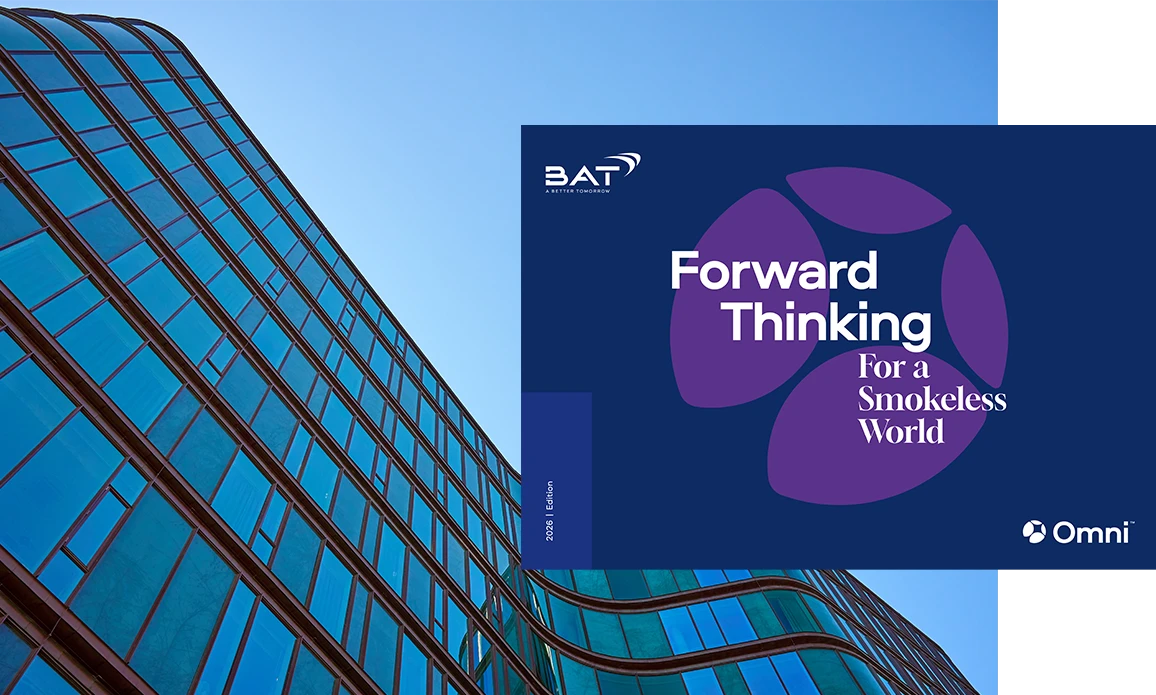
Exclusive access to the Omni™ Newsletter
Join the conversation shaping A Better Tomorrow™. Sign up to receive exclusive access to the Omni™ Newsletter and future Omni™ updates.
Signing up to the Omni™ Newsletter does not constitute consent to receive marketing communications.