
E-Cigarettes and Smoking Prevalence

BAT's Smokeless Products (apart from Zonnic) are neither licensed nor marketed as smoking cessation products.
AT A GLANCE
2X
Reduction in smoking prevalence in countries that embrace vaping, such as France, the United Kingdom, New Zealand, and Canada, compared to the global average[1]
88
Scientific studies have contributed to the following Cochrane review conclusion: "There is a high certainty that nicotine EC [e-cigarettes] increases quit rates compared to nicotine replacement therapy (NRT)."[2]
From a public health perspective, to be most effective, e-cigarettes should be both substantially less risky than cigarettes and provide an experience that encourages adult smokers, who would otherwise continue to smoke, to switch completely.
Availability of e-cigarettes can lead to greater reductions in smoking prevalence
The impact of e-cigarettes on the prevalence of smoking can be seen in countries where vaping products have become widely available. Within the European Union, according to the Special Eurobarometer 506 survey report, Ireland (7%), France (6%), Austria (4%) and the UK (4%) have the highest rates of current e-cigarette use.[3]
These four countries showed significant declines in smoking prevalence between 2009 and 2020 (9 percentage points; 11 percentage points; 13 percentage points; and 16 percentage points, respectively). These declines were markedly above the EU27 + UK average of a 6-percentage point decline for the same period (Figure 1).

The UK Annual Population Survey 2021 showed that the percentage of adult smokers was only 13.3% of the population.[4] The UK Annual Population Survey 2021 report noted that “[v]aping devices such as e-cigarettes have played a major role in the decrease in smoking prevalence in the UK.”
Outside of Europe, Canada and New Zealand are two additional countries where e-cigarettes are widely available. From 2012 to 2018, the smoking prevalence in Canada and New Zealand was reduced by four and three percentage points, respectively.[1] These reductions were double the global average percentage point reduction over this period (1.5%).
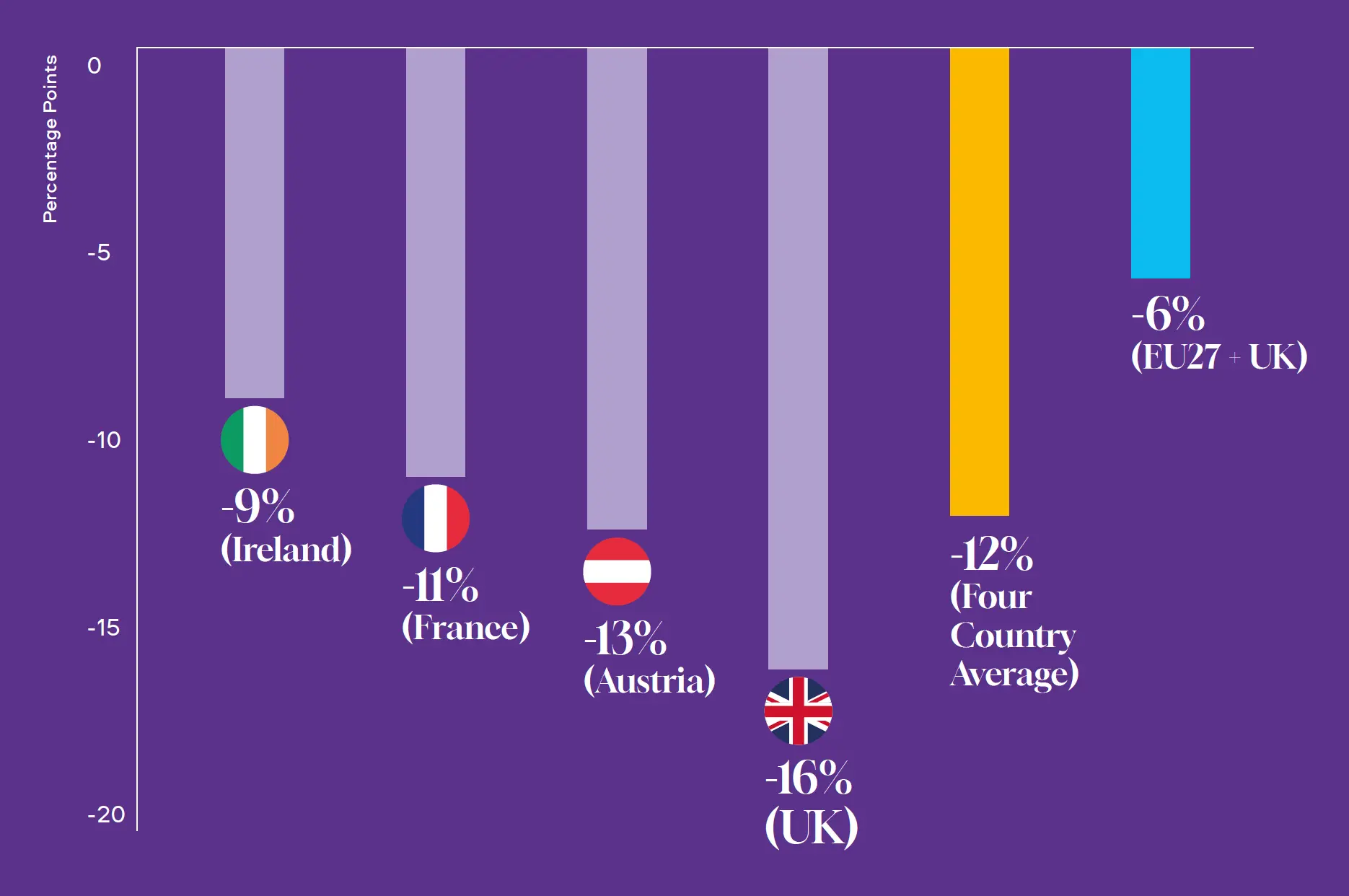
Figure 1. Smoking Prevalence Change 2009-2020
Cochrane Review of Vapour Products
While not marketed or licensed as smoking cessation aids, independent public health research has concluded that e-cigarettes can be more effective than certain traditional nicotine replacement therapies.
The Cochrane Database of Systematic Reviews is the leading database used to evaluate existing data for a wide range of healthcare issues.[5] Cochrane reviews on the effectiveness of vaping products in smoking cessation were completed in 2014, 2016, 2020, 2021, 2022 and 2024. These reviews give health providers the informational tools they need to base decisions on whether to use vaping products as part of smoking cessation programmes.
The 2024 Cochrane review considered 88 studies, totalling more than 27,000 participants, and concluded that there is high certainty that nicotine-containing e-cigarettes increase quit rates compared to nicotine replacement therapy.[2]
"Vaping devices such as e-cigarettes have played a major role in the decrease in smoking prevalence in the UK."
Office for National Statistics, UK 2021 [4]
References
[3] Health and Food Safety, Special Eurobarometer: Attitudes of Europeans towards tobacco and electronic cigarettes. European Commission, 2021. (Accessed: 22 July 2024)
[4] Office of National Statistics, Adult smoking habits in the UK. 2021. (Accessed: 22 July 2024)
[5] Cochrane Library. (Accessed: 6 August 2024)


