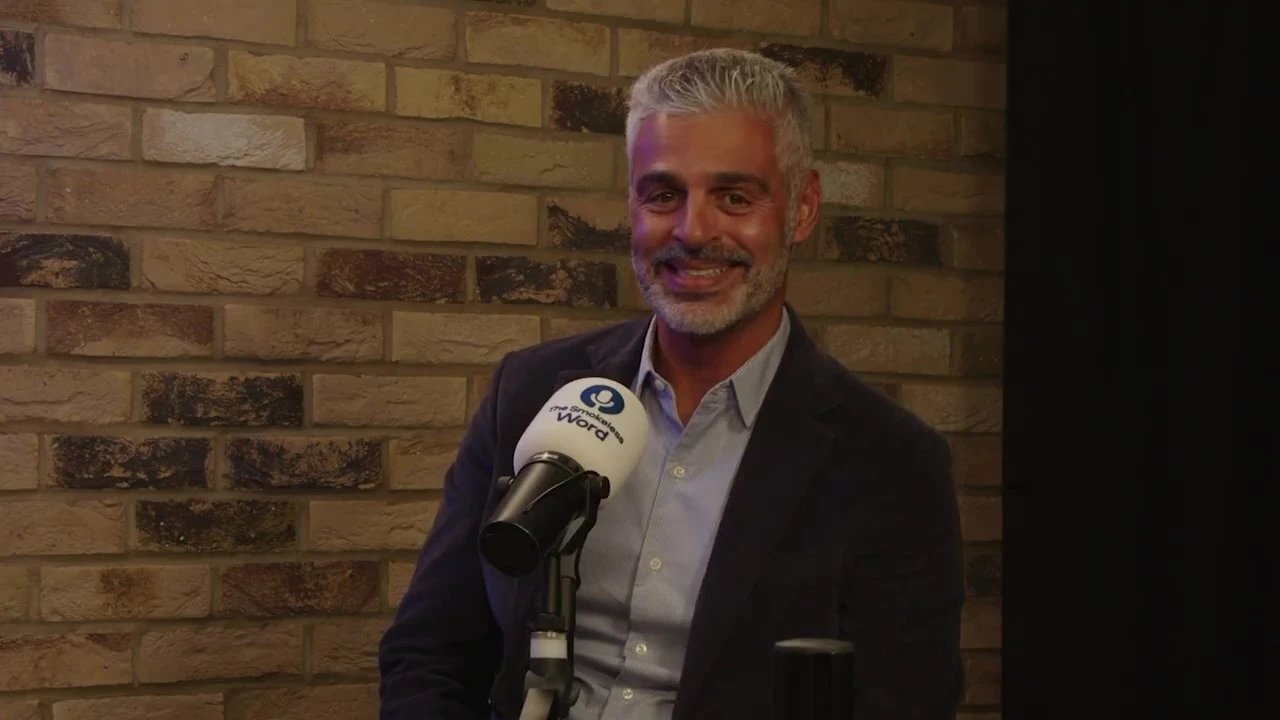

Episode 13: Mauricio Cantisani
Mauricio Cantisani
Brazil is the largest tobacco exporter of the world, and the future is bright.
Kingsley Wheaton
It's a paradox, isn't it? You know, you've got the world's best and biggest tobacco growing country this long legacy, and yet all smokeless nicotine products are not allowed.
Mauricio Cantisani
You need to be patient and manage the right moves using the power of our leadership and our strong presence in Brazil to fight against that. So what we have been doing nowadays is engaging the farmers, engaging the society.
Kingsley Wheaton
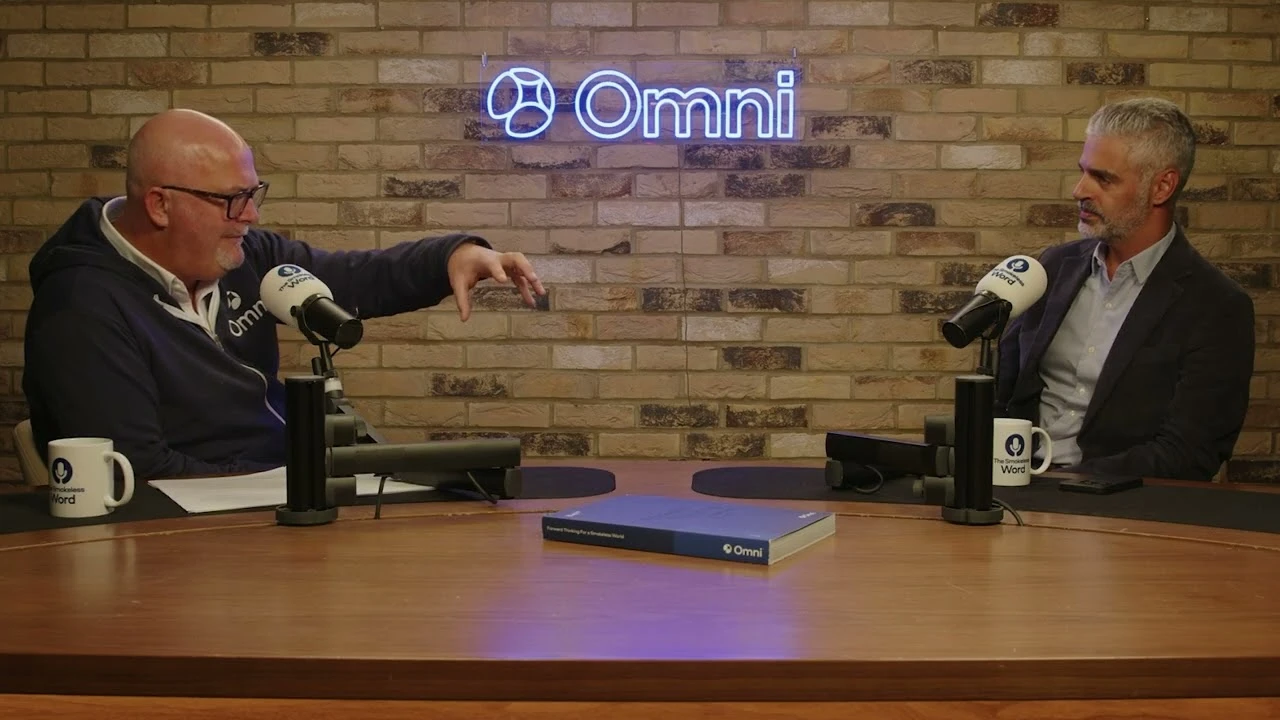
Welcome to the latest episode of the smokeless word. Today. I'm really excited to be joined by Mauricio Cantisani, head of leaf and global leaf agronomy development for bat in Brazil. Mauricio and I will talk about supporting farmer progression, the importance of sustainability in ESG and interestingly, the use of AI and drones in our agricultural business. Enjoy the episode. This podcast is intended for regulators, scientists, policymakers and investors. Only the views expressed in this podcast are the personal opinions of the speaker. Only any references to products having a reduced risk or reduced harm are based on the weight of evidence and assume no continued smoking. This material is not intended for us audiences. Mauricio, welcome to the smokeless word. What do you what do you think of the studio now you see it for the first time.
Mauricio Cantisani
Thank you very much. I mean, is the first time that I see alive, but I'm a big fan of the podcast I have been following. I think it will be a remarkable moment for that.
Kingsley Wheaton
It's quite interesting. What goes on behind the camera, isn't it? Yeah, you don't see, not imagine it. Well, we can take some photos and send them back to the big family in Brazil. Any messages, any shout out for your Souza Cruz colleagues, back there, back there, at home.
Mauricio Cantisani
Everyone is very happy. I mean, this is a result of the main board, and management board is now there in Brazil, in Santa Cruz. So everyone is very happy.
Kingsley Wheaton
Actually, very good. Okay, let me take you back to start of your career. You joined bat in 2007 Have I got that right? 2007 Yeah, as a management trainee, yes, in OPS in Lee for you
Mauricio Cantisani
know, at the beginning leaf. I have this, this career between leaf and ops, yeah, let's say 60% in leaf, 40% in ops. There is a funny story behind that, if allowed me to tell please, please do. I used to work for Ernest and young, and I was out dating one Tobacco Company in Santa Cruz. Do so in that tobacco environment, everyone is there, all the companies. And that was my first click about tobacco, yeah. How big is this business? How amazing is everything that they do? And then I came back to Porto Alegre, my hometown, and started to think about how we can join this, this industry. And I was talking with those HR Headhunters, yeah. And my first interview was in our main competitor. And then I started this, this management trainee process in Sosa cruise back in that time. And there was a moment that I should decide, or you go ahead in this process, or in this one? Yeah, sure. And the head hunter asked me, tell me which one you want. And I asked her, you tell me which company is the best one? And she said, definitely, so the cruise.
Kingsley Wheaton
Ah, just just, just for everybody who's listening. Souza Cruz is the local name of the Brazilian company. And just dimensionalize the tobacco crop in Brazil. How, you know everybody, not just us, how much tobacco is grown? How significant is that on a Brazilian export base? Maybe have you got some numbers?
Mauricio Cantisani
As you know, Brazil is a it's a major agriculture country, and tobacco plays a relevant role, especially in exports. Brazil is the largest tobacco exporter of the world. China is the biggest producer, but almost the majority of their production stays in the country. So I mean economically speaking. I mean tobacco plays a very important role across the region, not only economic speaking, but I mean all the social elements that comes together with that rule. I mean, are there as well. So it's tremendous relevance for for the country,
Kingsley Wheaton
and we'll come back to that societal role and some of your tobacco farmers you work with. Just just thinking about your career, you've not just worked in Brazil. I know you've worked with bat in a few other places. Just tell the listeners where else you've worked, because I think it's fascinating.
Mauricio Cantisani
So BAT is amazing. I mean, in my home country, in Brazil, I started my career in Santa Cruz du suo in tobacco. Then I moved to the headquarters in Rio. I spent a couple of years there, working in supply chain. I went back to Santa Cruz Dusseau in lif again, and I had the opportunities of my first international experience. So I moved. To Croatia. Croatia. Croatia, okay to be the, initially, to be the Integration Manager, because BT bought the business there, including the leaf operation. And after that, I became the head of leaf for Croatia. I mean, it was tremendous experience. Hello to my migration. I mean, they are very special. And that was an amazing experience in Queensland, me, and actually one of the best that I had in my life. After almost two years there, I was invited to go back to operations as head of supply chain for one of our drbus In that time, based in Colombia in Bogota.
Kingsley Wheaton
In Bogota. In Bogota, up high, right? Yeah, very high altitude, I think, I
Mauricio Cantisani
mean, I don't know exactly, but plays a relevant role in your routine. It's a big challenge, but the country is amazing, then the markets is amazing. You know, we did perform very well when we started the new categories there in South America. I mean, they were very important for us to set the scene special for vaping and so on. So after that, I went back to Brazil. Because of the pandemic. I was spending 10 days vacation end of the year in Brazil, and then the borders were locked and I had to stay in Brazil. So I took a regional role in that time. And after two years, I moved to UK, to London.
Kingsley Wheaton
I want to get on to actually, some, some sort of the more technical areas. But I was amazed when I was with you recently looking at some of the history tobacco growing in the south of Brazil is probably what, over 100 years old, yes. And I think you know, Souza Cruz himself played a, played a role in that. Is that? Is that, right? Yes.
Mauricio Cantisani
So, I mean, Sosa cruise now BAT Brazil, develop what we call integrated production system, right? So we give all the technical support, all the elements that farmers will need to grow tobacco, and then we buy their tobacco. I mean, it's a strong partnership that we develop with the farmers. I mean, I have to say that it's a very successful story, because nowadays is not only tobacco that use this model in Brazil, other cultures are using the same model, inspired by us and something that works for more than 100 years. I mean, it seems that it's working well.
Kingsley Wheaton
Well, let's I remember seeing the pictures of it must have been early days in Santa Cruz with like the horses and the carts, you know, in the early 20th century. I know a lot of our audience are interested in it's just a bit of a diversion. But supply chain traceability, and I think I'm right in saying that every every bale of tobacco we can trace back to the specific farm where it's produced, is that right?
Mauricio Cantisani
Yes, we can. Well, I mean, we have a lot of technology connecting all the dots of our supply chain nowadays. I mean, we are very proud to say that in I mean, in this matter, we are very well advanced and collect data, track. Everything we do nowadays is very relevant, especially when you talk about an agriculture business, of course, yeah, ESG is always there, yeah, it's a challenge. We need to comply with all the high standards that the business demands from us, and we are very well advanced together with our farmers.
Kingsley Wheaton
That's true in Brazil. That's a standard that we would follow around the world. Everywhere. Is that the same, consistently, wherever, leaf is grown, yes, yes.
Mauricio Cantisani
I mean, not only Brazil, but BAT Brazil. BAT sets the standards of ESG for tobacco production, not only tobacco production. I can, I can tell you that compared to any other agriculture industry. I mean, we are very well advanced. The advantage that we have is that we have data, and we can use this data, collect the data and take the right decisions in order, of course, to protect the environment, to protect the farmers, to bring all the social elements that we need to bring and to properly manage,
Kingsley Wheaton
yeah, and I think some of some of the farmers that you work with are multi generational. You know, they've perhaps been three, four, they're five generations more. What's the what's the longest standing farm in the south of Brazil?
Mauricio Cantisani
We proudly say that. I mean, this is a long term family business. I mean, we have 40 50, generations already working the farmer that you visited your last time in Brazil, I remember you telling me the story. I mean, you asked Marius, I think I've been in his father property some years ago. And that's true. That's true. It's nice to see, and we are proud to see, I mean, the evolution, the development of the business and how these next generations are taking the benefit of the partnership with vat of the integrated system. You see their kids going to school, their kids going to university, coming back to the family business, and bringing more energy diversity and everyone progressed together. That's the magic of the relationship.
Kingsley Wheaton
Just quickly, before I get on to some of the more perhaps strategic or challenging areas of our story, you have this thing called the Thrive program, where we work with our farmers. Just talk through the basic sort of steps of that, and how do we how do we work with them, and how do we help them?
Mauricio Cantisani
So thrive is a platform that we develop internally in BAT to collect primary data related to important elements of our chain, like the financial element, physical element, social element, environment element. What's more important is how we manage the data and how we take conclusions and actions based on that. So we use thrive to collect data, not only from our operations from but from our suppliers as well. And we have this massive database that help us to understand how we are progressing against our targets and how we are performing. And we can do adjustments. I mean, we can develop new plans, and of course, always focus on ESG and our farmer progression.
Kingsley Wheaton
What might farmer progression mean? I suppose, just trying to translate it for the listeners, for the audience, perhaps yield productivity. I suppose at the end, making making more money for their for their sustainability. Is that, right?
Mauricio Cantisani
Yeah, basically, we are talking about living, income and livelihood. So what we have been working and believe me, there is a lot of technology behind every seed that we produce, so our objective is always to make them make more money. Because making more money, I mean, they will progress the family will progress the business. They will invest in other crops. That's very relevant nowadays, almost 100% of our farms, to be more precise, 98% of our farms, they are managing their business with other crops as well. Yeah. So tobacco plays a relevant role, not only related to our industry. Tobacco is very important to support them to manage the business, all the tools, all the elements that we bring to the farm, they are using to manage the business, not only the tobacco business. And this type of tools, like thrive, are giving a lot of support. I mean, it's a step change on the journey.
Kingsley Wheaton
You know, as you, as you think about those, those farmers, you I think you use the phrase, or we use a phrase, future future proofing. What does that mean? Future proofing? I suppose that's a nod towards sustainability somehow. But what would that mean for a farmer and our partnership,
Mauricio Cantisani
when we talk about sustainability, most of and I talk very often this with my team. I mean, of course, environment is very important. I mean, all the ESG elements are very important, but sustainability is important when you talk about financial elements, how you progress as a business, because we went to see them progressing and ESG and other elements will be like a side effect Kingsley. I mean as much yield as you have less. I mean water, you use less soil you need for tobacco, and you can use for other crops. Sustainability, for me, it's how we manage these small properties, and we support the farmers to progress and to make that business successful. We are in this journey of future, and the future is bright. I mean, you can't imagine the level of technology, artificial intelligence, tools that we are applying in our business nowadays. And I say I mean, very confident that when you talk about leaf in our organization, I mean, it's one of the most advanced diaries in technology, in digital tools, in machine learning. So we have to be proud about that,
Kingsley Wheaton
of course. Well, I think, you know, I think actually there's a level of humility there. I wanted to ask you about technology and innovation, because I've seen it develop over the years. I think you have, you know, drone technology now, for for for scanning the fields. Use drones in other areas, in terms of in terms of crop spraying, I think there's there's AI, there's big data. I think for a lot of people listening, as you said, they'll think it's a plant, and you water it in the sun, and off we go. Just talk through some of the some of the more exciting technology that's being used,
Mauricio Cantisani
what's happening. I mean, now, for instance, in Brazil, 100% of our farmers are monitored, monitored by satellite. So we can control real time deforestation, and this is very important. We can identify if something wrong is happening, and we can quickly act, and then we will be protecting the environment, we're protecting their business, actually, and this is a tremendous change. And I mean, it's not all the agriculture industries that have this type of technology covering 100% of your base.
Kingsley Wheaton
So how does that work? So satellite imagery is able to see if you know. Deforestation is taking place, and then you're able to go to the farmer and intervene,
Mauricio Cantisani
exactly like that, simple, like that. I mean, and it's something that is new for us, and now it's 100%
Kingsley Wheaton
Kingsley Sure. And how long have we been I mean, how long has it taken us to get to 100 This is the
Mauricio Cantisani
first year that we have 100% so it's a major achievement for us, we are the only one in Brazil with that technology, maybe the only one across the globe doing that. We are happy that the others will follow, of course, because this is something that we went to see everywhere we have been testing drones. I mean, we started that in Pakistan. We have several elements of our process that drones can support us and make us manage this step changing in farming and but this is just a few examples. And we could be speaking here for one hour, two hours, about that you solve some of these technologies being applied there. I thought
Kingsley Wheaton
it was incredible. I thought for me that was having visited a few times, the change in the technology footprint, you know, in all senses. You know, the innovation, if you like, that was being being used, was incredible. Let's just take it the other way around. You know, I think most people will say, Look, you know, tobacco, even if it was in a smokeless world, it's a declining industry. That means that, basically, you know, over time, those farmers are just going to go out of business. So, you know, how would I think about sustainability of livelihoods through a sixth generation, a seventh generation, an eighth generation, if you know, eventually their tobacco is not going to be needed.
Mauricio Cantisani
Yeah, the point is not only about again. I'm going back to other crops. I mean, our farmers are not producing only tobacco. Being very straightforward, the volume of tobacco that we need in the near future will not be the same that we need in the past. This is quite simple to understand. Yeah, sure, but we can support them to keep progressing and evolving without the same level of tobacco in tobacco is very relevant, not only for cigarettes. You know that we are stepping into nicotine extractions. Okay?
Kingsley Wheaton
So let's just so this is extracting nicotine from the tobacco plants to use in smokeless products. Is that okay? And we're just starting that in Brazil, I will thinking about starting that. I think,
Mauricio Cantisani
yeah, what we already started again. We started some years ago. Okay, yeah, we developed the technology, let's say, and we have the IP for this technology, because we are doing that in a very, very, very good way. Let's say because, I mean, extract nicotine, and you have several ways to do that. I mean, there are people doing that around the world. The point is that our technology and what we develop is the clean way to do that. And why is it clean? Because, I mean, we, we do not use water, for instance, right? The level of waste is almost zero. I mean, one, one of our specialists was explaining very simple words, what we do. And use coffee as example, right? Yeah, you have one valuable element, coffee, yep. And then this coffee go, goes through a process, and you have at the end two valuable elements, decaf, coffee, yep, and caffeine, yeah. And you can take value for both. What we are doing is quite simple. Is exactly like that. This technology that we develop is not only about nicotine, right? For any type of botanical we can extract and extract fluids, I mean, any other type. So this is a tremendous benefit for this mogul as world new categories and
Kingsley Wheaton
yeah, yeah, particularly if we started thinking about a world beyond nicotine. I'm going to change the tech a little bit, and I want to tap into your experience of sort of ops, leaf supply chain procurement, and I want to talk about illicit trade. And I just want you to reflect a bit in how important our robust supply chains, and in a way, why our vertical integration is very important to stop leaf getting into black market supply chains. It's a
Mauricio Cantisani
very important question, because, as you know, Brazil faces a tremendous issue.
Kingsley Wheaton
Come on to that. I mean, we have been doing very well. Yeah, very well.
Mauricio Cantisani
I mean, and this is a strong collaboration between all the areas in Brazil, tobacco production and our leadership in Brazil. I mean, I mean, it's, it's very relevant when you talk about this, this talk, because when you have more than 17,000 farmers advocate on your behalf, I mean, your voice gets strong, sure the government the society, in order to understand, understand how, how big is the damage for the society when we are talking about the least trade? So what we have been doing nowadays is engaging the farmers, engaging the society, using the power of our leadership and our strong presence. In Brazil to fight against that. And again, we have been succeeding.
Kingsley Wheaton
Where does that illicit come from? Is it been made in it's not been made in Brazil? No, no, no.
Mauricio Cantisani
I nowadays we have multiple source. Paraguay used to be the major one, and it's still the major one, but you have something coming from Asia. I mean, sure, they are getting smarter, let's say, trying to figure out new supply chains. Because we are, we are fighting against the established supply chain. I mean, it's, it's a never ending game, but, I mean, but the point is that we are always finding new alternatives, like we have one facility back there in Porto Alegre, close to Porto Alegre, in Brazil, labs, we are testing products, and we can very fast and easily identify the origin of the tobacco, the original filters. Okay, I mean, and this, I mean arms to fight against those guys. It's a never ending story, of course, but we are putting a lot of energy, a lot of and the results will come in even better,
Kingsley Wheaton
as a watcher of the podcast, how can you be sure that none of the tobacco that you're responsible ultimately for growing, buying, selling, you know, is not ending up in an illicit supply chain?
Mauricio Cantisani
So BAT is very well structured when you talk about that. We have a very solid governance behind that. Every relationship that we establish with external parties, we have a lot of people investigating, taking decisions together with us core legal operations. I mean everyone involved to track if something is suspicious, sure. So I'm pretty sure that. I mean, we are doing the right thing, yeah. I mean, we are following our values very straight, and because this is very important for us. I mean, we cannot produce the best tobacco of the world to supply the least trade. I mean, this never happened. It was never doesn't work.
Kingsley Wheaton
And I think also, you know, I've had discussions here with with other people. And you know, we are trying to transform. We are trying to go smokeless, but whilst some of the world continues to smoke, you know better, that it's, you know, led by responsible, regulated industry who can work with government and actually help manage that transformation, rather than hand it over to the black market. Has happened in South Africa when they, you know, suspended sales in covid. You know, consumption didn't even change for five months. I want to talk about transformation, because I do think, you know, and I don't want people to think that, not that I think the questions have been that easy, but I don't want people to think that I'm asking you, you know, all the questions relates to leaf I want to talk about tobacco harm reduction in Brazil. It's a paradox, isn't it? You know, you've got the world's best and biggest tobacco growing country this long legacy, and yet all smokeless nicotine products are not allowed. How has that come about to be like that? Seems a seems a seems an odd dichotomy,
Mauricio Cantisani
and this is a chess game, right? Yeah, you need to be patient and manage the right moves, and at the end, I'm pretty sure that will succeed. You know, Brazilian skin very well. I mean, we have all these energy emotions, and we put that in everything, every everything that we do. Brazil has the biggest number of tobacco haters across the world, right? Yeah. I mean, there is a strong political element behind that, and what we have been doing is putting a lot of efforts to educate stakeholders that what we are proposing is the right thing to do, and the tobacco and then, I mean, the tobacco production helps us a lot on that. Because, as you are, you were saying, I mean, we are sure. I mean, we do the right thing, sure, if you want to smoke tobacco, I mean, we have the best one. We have the best supply chain. We can track everything. I mean, we are doing the right thing. We'll do the same thing with other types of products. I mean, and it's better to trust on us than trust in the black market, because it's not that those products are not
Kingsley Wheaton
everywhere, illicit, contraband, counterfeit, I'm talking about smokeless products, exactly. They're prevalent. And, I mean, you know, people are going to watch this. A lot of people going to watch it, do you know? And I think you know, Souza Cruz, in my experience, we have generally had, you know, a working relationship with government. And as you said, a very proud country. Do you have a message, if you like, Would you like to, you know, explain why it would be so important for for Brazil to embrace smokeless products.
Mauricio Cantisani
This is what we went across the globe, not only in Brazil, but
Kingsley Wheaton
it remains one of the few markets. Yeah, it's Brazil, Turkey, Australia, you know, the particular big three. Me. But anyway, no, do carry on.
Mauricio Cantisani
Yes, I think the message is what we were talking about. I mean, if someone needs to manage this journey, this transformation and support the society to have access to to smokeless products, we are the ones that are able and capable to do that. We are the ones doing that across the globe in a proper way. I mean, in the right way,
Kingsley Wheaton
with the science, with the product stewardship
Mauricio Cantisani
Omni is here. I mean, we are the ones, I mean, openly speaking about what we are doing. I mean, we are putting our faces there, and we went to do that in Brazil.
Kingsley Wheaton
I mean, I know we've already done stuff with the Omni in Brazil, and there's more plan. But how will the Omni help that, that science, that evidence, how does that help make a breakthrough in smokeless product?
Mauricio Cantisani
I think Omni is, it's, it's a tremendous tool. This, this is Omni book that you have here. I mean, everyone should hold. I mean, but I mean, Omni is the right storytelling based on science, based based on transparency and and when you talk with politicians, with important representatives of a big society as Brazil, you need to be based on those elements. Yeah, yeah. You need to have a strong storytelling real cases, because then it's bulletproof. And nominee will help us a lot on this journey. When you think about South America, some countries are already progressing on that absolutely, like in Chile, like in Argentina, Peru, Paraguay. I mean, I think we are on the way very soon this will happen, and we will be ready for that with the proper supply chain, with all the strengths that we have across the world, and all these stories that we build across the world behind us to support this journey in Brazil.
Kingsley Wheaton
Yeah, I think it will, I think you're right. I mean, Chile has happened. I was reading recently that, you know, as Argentina thinks about regulating modern or, although even quoting the Swedish example exactly, you know, there was cop 11, you know, the FCTC cop in Geneva recently, 34 countries spoke up about thr two years ago, that was nine, you know, I sense that there's a, there's a wave moving. Look just before we finish, mariuszio, you know, you think you're going to see a smokeless world in Brazil over the over the medium term? You think that's a reality.
Mauricio Cantisani
I do believe that it will be in the short term. Okay, you think a bit of short term? Yes. I mean, a lot of things are happening there. We have very capable people work on that. The local top team has this as big objective. And let's say we are mobilizing the country, yeah. I mean, this will come, this will come, and then we'll be very strong, not only in FMC, but in smokeless products as well, I do believe.
Kingsley Wheaton
Oh yeah. Well, it's an optimistic view, and I'm delighted to hear it. And the one thing I will say, having first visited Brazil in, I think, 2007 when Brazil gets an idea and goes forward with with full power, as you say, with the passion and the pride, I think it's unstoppable. So let's, let's let's hope for that. I'm going to ask you a quick fire round. So it's kind of, it's either or you have to pick one you can't escape. So are you ready? Are you comfortable?
Mauricio Cantisani
Yes.
Kingsley Wheaton
Okay, here we go. So number one, Rio or SAO. Paulo.
Mauricio Cantisani
Rio. Rio.
Kingsley Wheaton
Okay? Barbecue or swimming.
Mauricio Cantisani
Barbecue.
Kingsley Wheaton
My favorite as well, beer or wine,
Mauricio Cantisani
beer.
Kingsley Wheaton
Okay? I think I know the answer to the next one, World Cup or the Olympics
Mauricio Cantisani
World Cup.
Kingsley Wheaton
What about Netflix or a good book?
Mauricio Cantisani
Good Book nowadays. Okay, and
Kingsley Wheaton
this isn't an our nor, but you're the greatest Brazilian footballer of all time. Of course, fantastic. What about Here you go? Would you rather do a podcast or make a presentation to the BAT board
Mauricio Cantisani
podcast Thank you. I enjoyed this experience. It's my first one, but podcast,
Kingsley Wheaton
and what about summer or winter?
Mauricio Cantisani
Summer, always summer.
Kingsley Wheaton
Very, very good. Mauricio, it's been fantastic having you here. Maybe just finish with a you know, any any final thoughts, your kind of hopes for the leaf industry the future and how you see things going forward?
Mauricio Cantisani
I think we are doing the right thing to do. I mean educating ourselves. I mean it's a big transformation. I mean we come from a very solid industry based in one type of product. Looked and now we are proposing a change, and we are putting a lot of energy. So I think the message is that the challenge will be ahead of us, but it was always like that, and we always succeed. So I mean, we'll have exciting moments just ahead of us, and I'm happy to be part of that. It's fantastic
Kingsley Wheaton
and it's interesting. Actually, as you were, as you were finishing up there, I was thinking to myself, you know, BAT is trying to do this massive transformation. But also, you know, within leaf, we're trying to do a massive transformation. We are amidst a massive transformation. I can only wish you all the very best. I thank you so much for traveling from Brazil to join us in our little podcast studio, and I wish you all the very, very best, and look forward to seeing you again very soon.
Mauricio Cantisani
Yeah, I hope so. Thank you very much. I mean, again, I'm representing not only myself but a big community. I'm very proud of that. Thank you very much. I hope to see you back in Brazil very soon
Kingsley Wheaton
you will do thanks for it. Thank you. Thank you.
These transcripts are AI-generated and may contain errors or inaccuracies and should not be relied upon.
BAT’s global transformation is a root and branch affair, starting with how we grow our Leaf.
Kingsley sits down with Mauricio, BAT’s very own VP Agribusiness LATAM South & Global Head of Agronomy Development, to discuss how we are navigating the regulatory environment while future-proofing our most vital supply chain.
From Brazil’s role as a major tobacco exporter to efforts to combat illicit trade and the ongoing challenge of advocating for Tobacco Harm Reduction, this episode is packed with invaluable insights into the digital future of the field and the strategic patience required to lead change.
Join Kingsley and Mauricio for an essential conversation on why, despite the hurdles, Brazil’s future remains bright.
Exclusive access to the Omni™ Newsletter
Join the conversation shaping A Better Tomorrow™. Sign up to receive exclusive access to the Omni™ Newsletter and future Omni™ updates.
Signing up to the Omni™ Newsletter does not constitute consent to receive marketing communications.