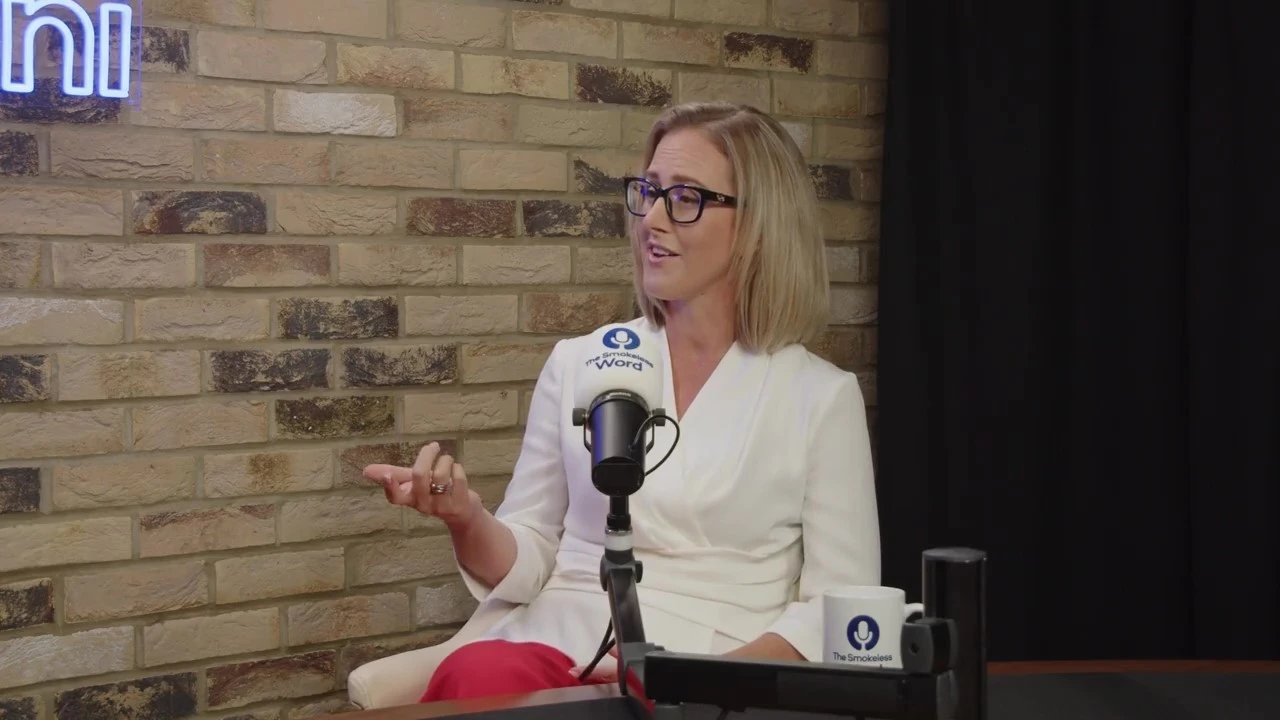

Episode 6: Danni Tower
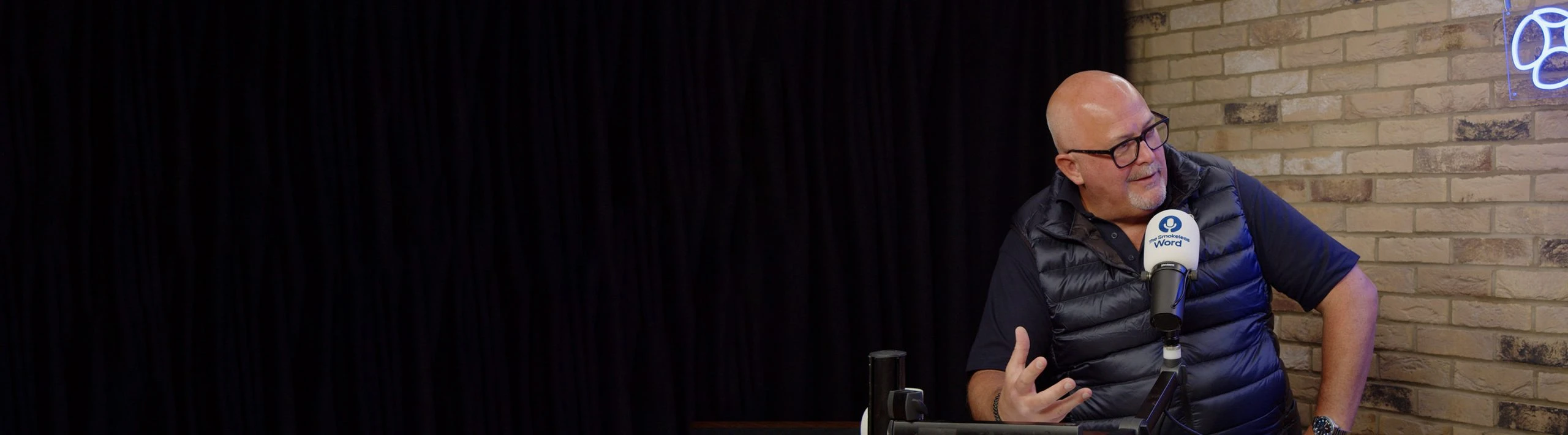
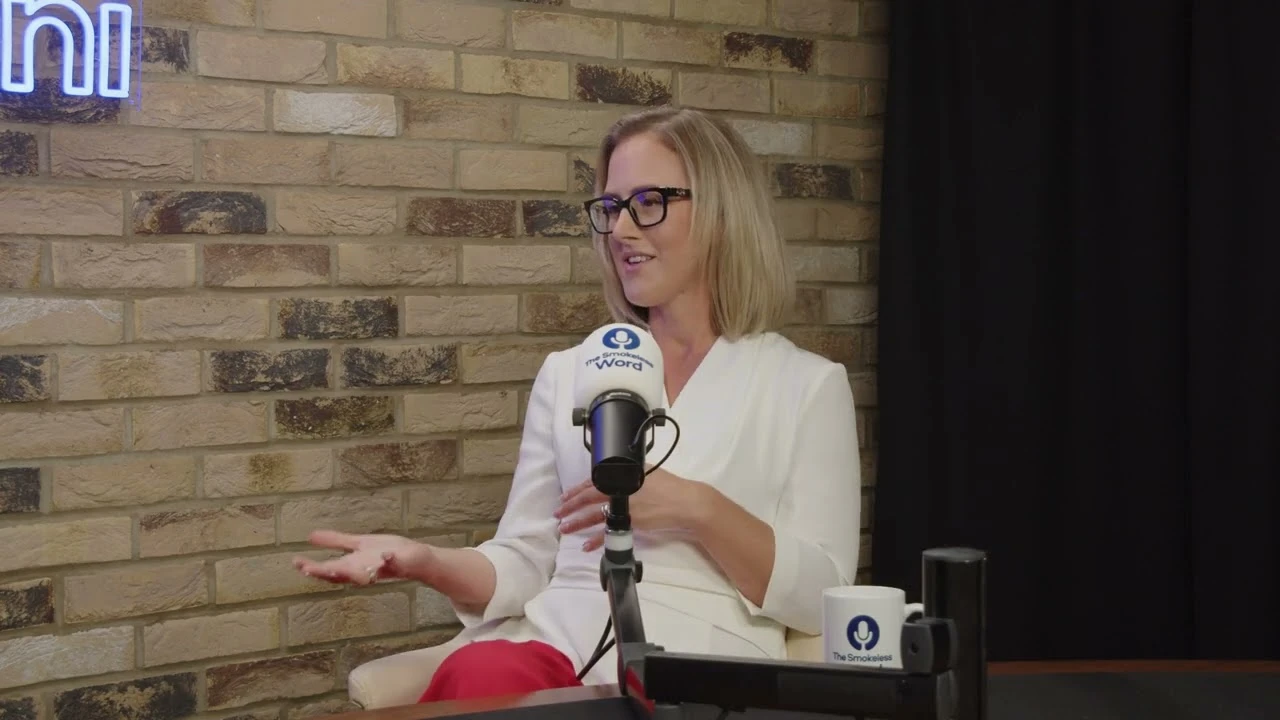
Kingsley Wheaton
This podcast is intended for regulators, scientists, policy makers and investors. Only the views expressed in this podcast are the personal opinions of the speaker. Only any references to products having a reduced risk or reduced harm are based on the weight of evidence and assume no continued smoking. This material is not intended for us audiences. A big welcome to the latest episode of the smokeless world today. I'm joined by Danny tower BHS group, head of scientific and Regulatory Affairs, Danny and I will talk about the qualities of successful leadership, of leadership in action, and also the stewardship of our products and the importance of science in informing enforceable regulation. We'll also talk about the Omni and our ambition to build a smokeless world. Danny, welcome to the smokeless word studio. What do you think, do you like
Danni Tower
it very much. It's wonderful.
Kingsley Wheaton
I just want to go back, you know, a little bit through your your life and what you've done. Studied chemical engineering. Is that right at Imperial That's right. Tell me about that and that choice.
Danni Tower
So I studied maths, Chemistry and Physics at a level at school. So I have always loved the scientist the sciences, but what I decided to do was to study engineering, because it's about application of science to solving real world problems and chemical engineering, particularly because chemistry was all my always my favorite science when I studied at school
Kingsley Wheaton
and Imperial I mean, you know, great worldwide reputation. Yes, academic was it was, was it tough?
Danni Tower
It was tough. I remember, the reason I chose it was because, at that time, back in 1994 Imperial College chemical engineering was second only to MIT in terms of the standard. So it was really a place to aspire to get into. And it was a tough course. It was very full on. I also did an exchange year in France. So the final year of my degree actually studied in French, which was an added challenge, but very enjoyable.
Kingsley Wheaton
You know, how many people would would have, would have been in your cohort. And, you know, I don't know whether this is a fair assumption, I would have thought that was probably male skewed back then. How was that?
Danni Tower
Very much so. So I remember it being approximately a department of about 100 people, but there were less than 10 women within that 100 so it was, I think, quite typical for engineering courses at the time, very male dominated. And I think, you know, chemical engineers traditionally have always gone into the petrochemical industry first and foremost, which is also an industry that is very male dominated. So it was sort of preparation for a lot of what was to come if you were to choose a manufacturing, sort of operations environment to move into for a career.
Kingsley Wheaton
So stood you, stood you in good stead for what was to come.
Danni Tower
Yes, absolutely. Although I was sponsored by png through my degree, and that gave me an insight into this world of fast moving consumer goods research and development, and companies like PNG are very focused on diversity and gender balance. And so because I decided not to go into the petrochemical industry, but more into consumer goods, R and D, thankfully, I entered into a workforce that was much more more balanced in terms of gender
Kingsley Wheaton
Well, let's talk about that wonderful place. I mean, you were there for 20 years. I think so. What 98 to 2018 That's right. Talk me through those years. I know it's two decades, but you know, what did you do? What did you get involved in? You know? What did you love about those those 20 years?
Danni Tower
I loved many things about the culture at PNG. I also loved the diversity of all the different product categories that there are at png to work in. So I joined png with my chemical engineering know how I suppose into a process development role within research and development, but in the laundry category. So I was doing process development of granular detergents for the first four years, which I always smile about, because it's clearly not a particularly glamorous product category to work in, but as a chemical engineer, it's absolutely fascinating, because the way they manufacture these laundry detergents, these granular detergents, for a process development person, it's very challenging and super interesting. So I worked in detergents for four years. Then I worked in oral care for seven years. And if you think of any type of oral care product, whether it be toothpaste or toothbrushes or mouthwashes or even denture adhesives, I've worked on developing them very, very enjoyable around about that time, PNG. Gillette. So I then went on to spend a few years working in the male grooming and shave care business, developing shaving products, skincare products. That was a very interesting time. And then I worked in the prestige area, which was fine fragrance design and development and luxury, luxury cosmetics.
Kingsley Wheaton
I sort of thought maybe the prestige and luxury bit would be the highlight of all of that.
Danni Tower
I loved working with perfumers. I have to say, I have a bit of passion for sensorial product design, and so I worked for five years leading teams of perfumers and sort of fragrance evaluator experts and these people, you know more laterally at bat, I've worked with flavorists, and they're very similar animals. These people are really genius, because they blend art with science in what they do. And so I thoroughly enjoyed working in the prestige business, but I wouldn't necessarily say it was the most rewarding. There are great positives that I take from every single different chapter of my png career.
Kingsley Wheaton
Okay, so 2018 I suppose that was after the bit of png you worked with went over to Cote. Is that right?
Danni Tower
That's right. So yeah, back then png divested the large proportion of all their beauty brands to Coti, which involved 42 brands and about 10,000 people globally, a number of manufacturing sites. I mean, it was an enormous divestiture. I was working in fragrances at the time, so I was part of that divestiture. And then not long after, Coti decided to reevaluate their R and D footprint in Europe and close the site where I was based. So that left me with an opportunity to look for my next career challenge.
Kingsley Wheaton
Yeah, and that career challenge was, was us, was bat, yes, I can only imagine that that was, that was a pretty big moment, a pretty big decision for you just, just talk the listeners through, you know, how you thought about that decision, how you made a decision to join, which might have been put to you pejoratively, probably, you know, you're joining big tobacco. You know, how did that feel and how did you rationalize it?
Danni Tower
Well, in all transparency, the tobacco industry, was not on my radar at all. Bat was not in my consideration set initially, but it first became part of what I was thinking about as possibly doing next through connections that I had in my network, previous png colleagues who had already made the step to join bat, and one in particular, probably my most trusted mentor for my a very, very influential person in my career to date, who happened to be the head of new categories R and D at that time. And I remember being struck by a couple of things. Firstly, clearly the I was impressed by the quality of the people that I got a chance to interact with, but also the quality of the science that was going on. I had no awareness of it prior to that, and that was very compelling. But really what drove that decision, ultimately, were two things, I would say, predominantly. One was I was utterly convinced by the mission that bat is on, this idea of actually making real tobacco harm reduction in society, and the profound public health benefit that that could potentially offer. That feels like a very meaningful thing to try and achieve. I reflect back on the purpose that we had at PNG, P and G's purpose was about creating superior products to improve the lives of the world's consumers. And I actually couldn't think of anything that would be more meaningful in terms of improving consumers' lives than trying to offer smokers alternative products that could result in much improved health outcomes. And so that was a very big factor in my decision. The other factor was it felt like a once in a career opportunity, frankly, in terms of the leadership challenge. Because if you think about what bat are trying to do right now, we are trying to transform an industry. We are trying to transform a company. In doing that, we are trying to transform not only the nature of our business, but our own culture. We are trying to transform the way in which we are innovating. So we are transforming into a truly fast moving consumer goods company. The nature of the products is so different. You know, these are now fast moving consumer goods. They are electronic consumer goods. The change is so enormous. And as I looked at it and that prospect, I thought, well, that is a leadership challenge that I probably won't get offered. You. To try again, and it was all it was. It was all of those things that led to my decision seven and a half years ago to join bat and seven and a half years has flown by, and I think that is testament to just how rewarding and enjoyable it's been so far, any of
Kingsley Wheaton
those friends and family who you mentioned earlier in that, you know, who have sort of, Have you won them round? You know, have they shifted their position? Is there a chance you can shift position with evidence?
Danni Tower
Maybe, yeah, the vast majority of them, I definitely think, now understand, you know, because I think it's a lack of understanding, it's a little bit of ignorance that leads people. It's a bit of a lazy assumption. I think, oh, you know, big bad tobacco. We are completely committed to the mission that we're on. I'm here for the transformation, exclusively for the transformation, and to do what I can to play some small part in contributing to making tobacco harm reduction our reality, in society,
Kingsley Wheaton
yeah, and I think, you know, one of the reasons for the podcast, you know, people like to objectify bat. You know, it's very easy to think of us as a company or an enterprise, and there may even be some negative adjectives you'd attach to that. But when, when you think about 47,000 people every day who come to work guided by that same purpose, you know, who would probably have a similar story to tell to yours. I think it's a lot harder to critique because it's, it's individuals, and it's in its real human beings. You talk Danny about leadership there. Let's, let's take a little fork in the road, if we can. I know from knowing you that leadership is not any hugely important to you, but it's also sort of a passion of yours. Can you talk about effective leadership, high quality leadership? You know its importance, and just how you think about that?
Danni Tower
Absolutely, I'm so pleased to be asked the question, because it is a bit of a passion of mine, as you say, not only because in my day job, I'm doing all I can to try and be the best and most effective leader I can for for those that I lead, but actually, because I like to study leadership, it's it's become a bit of a hobby of mine over Recent years. I'm very interested in studying leadership through the lens of social science and looking at the latest research when it comes to organizational behavior and organizational psychology. I follow avidly a lot of the thought leaders and researchers on leadership of our time and and I think it's very important to be a student of leadership and then try and apply it to the day to day. It's a bit like as I was describing, why I chose engineering, because I enjoy understanding the the fundamentals and the first principles of science and then applying it to real world problem solving. The same for leadership. I enjoy studying it and applying it to my day job.
Kingsley Wheaton
What is What? Is what? So what's great leadership? Because I think I always have this phrase, you know, leaders, you would be led, you know, we, we often look upwards, don't we, in the sort of say, If only they would, you know, then you realize you run out of any upwards to look up to, you know. So what is great leadership? How does that manifest?
Danni Tower
Well, I think it all boils down to everything that I've studied, everything that I've observed in my 27 career to 27 year career to date, and everything that I've learned successes and failures in my own leadership, it all boils down to the ability to effectively build trust. And I think trust is such an important word, especially for us in what we're trying to do with our transformation and in the tobacco industry, trust, because it's the cornerstone of effective team building within our organization and culture, but also externally, you know, the trust that we're trying to build rebuild with all of our various stakeholders, and the trust that perhaps we we lack a little bit in the tobacco industry externally and also because, I think it's fair to say that it seems today, in this age, that the default emotion of society is distrust. So there are all sorts of different leadership skills and concepts that I believe are really effective at building trust. I mean, some of them that I like to talk most about. One is this concept of centered leadership. Another is humble leadership, and the third would be the importance of emotional intelligence in leadership. So, I mean, if you're up for it, I'd love to talk a little bit about each of those.
Kingsley Wheaton
I please fire away. I'm gripped.
Danni Tower
So centered leadership is a cons concept that really resonates with me. I think it's incredibly powerful. Centered leaders are guided by values, driven by purpose and obsessed with mission. And centered leaders are grounded. They are secure, aware, consistent, inspired by a quiet, calm. Um, an inward sense of Compass, contagiously confident, but not necessarily in a showy, charismatic way, more of an inward, deep, confident resolve. And I think this is so important because uncentered leaders always create unsettled followers or employees, whereas centered leaders don't produce followers, centered leaders produce leaders
Kingsley Wheaton
where you talked about resolve and security. I mean, you know, we, we all have anxiety. We all have nervousness. You know, we could be nervous before this podcast where, what's the wellspring of that, of that, of that security and resolve in those leaders.
Danni Tower
Well, I think it's the mission obsession, so staying focused on the ultimate mission, and that's why I think, you know, all of us as leaders, we need to be conscious that we reproduce what we are. So our organizations are a reflection of our leadership. And therefore, you know this idea of centeredness is critical for building trust in the people that we're leading. Being inwardly confident, because a leader that lacks confidence creates a team that lacks commitment. So, you know, insecure leaders create insecure followers. So inwardly confident, critical, strategically consistent, essential, because consistently unpredictable leaders create followers that are hesitant, I would say. And then lastly, this idea of really being mission driven, because leaders who are self absorbed and ego driven, I mean, ultimately, I think they just produce resentful followers, you know, so all of this centeredness, I think, you know, in that inward sort of clarity of thought and stability, and offering that to our teams, I think is critical for building the trust and building the confidence in everyone who's following us. So that idea of the first centered leadership, I think,
Kingsley Wheaton
was, well, humbly, humble leadership. Is that like servant leadership? Yes. Is that a similar
Danni Tower
concept, I would say so, because I think that's a powerful mindset, you know, recognizing that as leaders, we should be operating in service to those who we are leading. I think that drives very helpful behaviors. And I don't think it is that difficult to understand why humble leaders are so effective. Because humble leaders are willing to admit their own mistakes. They're willing to listen to feedback and actually act on it. They are not only willing, but they proactively solicit input from knowledgeable peers and subordinates in big decisions that they need to make. And that leads to a culture of continuous improvement. It leads to creating engagement and building trust. So, you know, that's why I think it's incredibly powerful that we look for the leaders who naturally have that humility, because it does lead to business results.
Kingsley Wheaton
Yeah, okay, let's, let's, I'm anxious also to get on to product compliance and stewardship, but let's just quickly do EQ. I mean, EQ is banded around a lot, isn't it? I use the phrase a lot. Yes, I think, you know, powerful leaders tend to be highly emotionally intelligent, but give me your take on that quickly.
Danni Tower
Well, I think if you were to ask me, what is the single most important trait for transformational leadership, along with a big dose of courage, I would probably say emotional intelligence, and that's because emotional intelligence encompasses a number of critical components that are so essential for driving change and also inspiring others through that transformation process.
Kingsley Wheaton
It underpins change management in some ways.
Danni Tower
Those critical components, for example, would be self awareness, because transformational leaders need to be able to understand their own emotions, regulate them, understand their own strengths and weaknesses, and that self awareness helps navigate challenges through driving change, and also helps them role model the right behaviors for their teams. And then empathy is another important aspect of emotional intelligence, because transformational leaders need to be able to connect with their people on a personal level, and empathy enables them to understand the feelings and perspectives I think, of their people and teams, which drives trust and rapport, which is essential during times of change. So it all connects in my mind, you know, centered leadership, humble leadership and emotional intelligence is all about, how do you most effectively build trust? And I guess you could almost summarize all of that as human leadership, because human leaders, they walk beside their teams and not above them. They lead with empathy and not ego. And they build trust through authenticity, rather than some sort of ivory tower perfection.
Kingsley Wheaton
So those three things center leadership, humble leadership EQ, how you doing out of 10? Where are you on your performance scale? Would you
Danni Tower
say? I would say on a good day six.
Kingsley Wheaton
Okay, so we all are, right. We all are. You know, that's. True, yeah. Also, I was reflecting, Danny, when you were talking about that, I was thinking, you know, that the company can also be a leader, right? You can actually not make this a human phenomenon. And I was thinking, if we thought about what we've tried to do with Omni and even this podcast, in a way, it has got a sense of being censored, you know, being this was deliberately always not propaganda, and that EQ, you know, it's quite interesting. And I suppose as you try and find your thought leadership voice, those tenets are worth remembering, you know, for us as well.
Danni Tower
Yes, I agree. All about connection, really connection. I think connection and communication. Yeah, you know, dispelling misunderstanding, miscommunication, misperceptions. I think you're right. Omni, this podcast, yeah, this is what we're striving to do,
Kingsley Wheaton
yeah, and just very quickly, because I've got to ask you, because I was thinking about it as you were saying, you know, building trust. You know, you start with a new team, or somebody joins your team, or something, you know, how does that trust form? I mean, you might never have met them, you might have very little in common, you know, What? What? What are the things that start to build trust
Danni Tower
early on in my career, a mentor gave me a lovely piece of advice, and he called it use appreciative inquiry, which basically means without judgment, ask questions of this new person that you're trying to build a new relationship with, to understand what matters most to them, what makes them tick, and then how you know, in the spirit of servant leadership, how you can best show up to enable them to do what they are aspiring to Do, what they're aspiring to become. And I think that genuine inquisitiveness asking questions, they always say, don't they that questions have the power to mobilize hearts and minds. I think there's some real power and magic in that. But asking the right question at the right time in the right way is not always easy, but I think that's the key to building trust, especially at the very beginning of a relationship with a new person or a new team. It's all about understanding the other person's point of view first.
Kingsley Wheaton
Okay, so we've been, you know, let's talk about vapor. It's not our only category. We were making vapor products for 1213, years now, you know, is it fair to say, you know, they're all the same, aren't they? I mean, basically, you know, they're all the same. Why would a, you know, not necessarily a bat, but why would a reputable Vapor product be any different to the other stuff that's available?
Danni Tower
I think it's clearly evident that not all products are created equally, especially you mentioned the vapor category, that's a good one to look at, because there is a whole spectrum, and I think it's very visible to us and to consumers. When you look at the vapor market, there's some clearly very irresponsible players operating, and those like bat much more responsible. There's the visible stuff. You know, the way that the products are marketed and designed. You know, the naming of the flavors, the colors of the packaging, some of them are very irresponsible and clearly trying to appeal to underage users. Whereas at bat, we have,
Kingsley Wheaton
which we wouldn't support whatsoever, just to say, for the listeners, exactly right.
Danni Tower
What I was going to go on to say was we have completely the opposite approach. At Bat, where our focus is very much on exclusively designing products to appeal to adult smokers. And so we have very clear standards, not only for Responsible marketing, but in our product design. So we have commitments to responsible flavor design and naming to the colors of the packaging, the design of the products itself, but that's all the visible stuff. A lot of what my team are doing is the invisible to consumer, what's actually in the product being exposed to in their body. And that's invisible, you know, and the consumer needs to be able to trust that the brand, if they choose to buy from views, they know that they have absolute quality because of the product stewardship standards and the work that my team are doing in the background.
Kingsley Wheaton
Just explain, you know, heating the metals, the electronics, you know, because that seems to me to be an area that can come under quite a lot of scrutiny,
Danni Tower
yes, so it's important to know that it's not just about the ingoing ingredients and materials that might be used in, for example, in a vapor product, the device and the E liquid. You know, the E liquid, which is ultimately what is being vaporized to create the aerosol,
Kingsley Wheaton
not smoke. Is it what comes out?
Danni Tower
It's not smoke. And that, that's the essential difference, really, that underpins why a vapor product is in the spirit of tobacco harm reduction, because the harm that comes from cigarettes comes from the combustion of tobacco and all the harmful toxicants that you find in cigarette smoke.
Kingsley Wheaton
Dr Jones Murphy was telling me seven and a half 1000, that's right. In a cigarette
Danni Tower
burning, that's right, and more than 150 of those, seven and a half 1000 are harmful, and I think around 60 are carcinogenic. So cigarette smoke, highly complex, not good. Aerosol, really bad. Whereas a vapor aerosol is a much simpler aerosol in terms of the chemical complexity, it might be just 10s of chemicals in vapor aerosol and certainly significantly reduced levels of toxicants. I mean, vapor products are not risk free, but they have typically used. Vapor products have 99% less harmful chemicals than you would find in cigarettes. And so to come back to your question about what is happening and the heating in the Vapor product, so that e liquid is being heated up by a heater, and
Kingsley Wheaton
temperature is that operating around about 200 200 degrees at that point of the of what's going on to
Danni Tower
create the aerosol. And and an aerosol is made up of little particles, little droplets and a gas, you know, tiny, invisible to the eye. You can't really see the particles in there. And that's carrying, you know, the nicotine that the consumer is looking to take into their body. It's also taking it's also carrying a few other chemicals, and importantly, what the toxicologists in my team are doing is ensuring that those chemicals, that composition of the aerosol, is ensuring any residual toxicants in there are well below maximum thresholds that would be enable us to say that it's supportable.
Kingsley Wheaton
So if you were, you know, this, this podcast, you know, I think, particularly interesting for regulators, policy makers, industry stakeholders, public health, you know, if you were to give a little bit of, maybe not advice, but wisdom to somebody thinking about regulating, sort of what you've just talked about, vapor and the product standards and the ingredients, what would? What would? What would you say?
Danni Tower
Well, the guiding principles around what we believe smart regulation should like, look like it obviously should be based on science and evidence. You know, that's the sort of foundation of it. It needs to ensure that the products have appropriately high levels of quality and safety and environmental sustainability and consumer relevance. You know, all of those things are really important in terms of how regulation needs to support product design and enable innovation, because we continue to want to bring better and better products. Regulation obviously also needs to ensure adult only access. That's very important, and also it needs to ensure that it can be appropriately enforced with the with the right very robust sanctions and penalties for non compliance. And I think that science is a really critical point that regular regulators need to look at and ensure they build into their regulation.
Kingsley Wheaton
So you know what? What's our ambition? 2035, half of our revenues in smokeless products underpinned by a belief in tobacco harm reduction. You think that's within sight, that 10 year journey?
Danni Tower
Yes, absolutely, yes, absolutely. And I think Omni is a wonderful vehicle to help us better explain what we're trying to achieve, to enable us to engage as effectively as we can with all of the stakeholders who do need to come together. We can't do this on our own. We have to be able to find ways to bring together regulators, policy makers, public health authorities, health professionals, and find a way to collaboratively and constructively make tobacco harm reduction reel. That's always been our ambition with Omni, that it serves as a platform to enable that to happen. And I'm really encouraged to see that even as we are rolling Omni out around the world, we've had a variety of big launch events in certain places. You know, earlier this year, Pakistan, Japan, we've been in, I was in Croatia, Italy.
Kingsley Wheaton
Yeah, you've been, you've been globe trotting with the Omni, which is good to see.
Danni Tower
And it's been really encouraging to see that it is doing what we had hoped, in the sense that it is. We've experienced some very positive engagement from regulators and policymakers in Pakistan and Japan, for example, we had members of parliament attend the launch event, showing genuine interest in understanding minister of finance more more about tobacco harm reduction as a legitimate public health policy. And I think if we can continue to foster that dialog, and you know, we would love for more more regulators to reach out to bat and come and have. More conversation with us about tobacco harm reduction and the science that underpins it.
Kingsley Wheaton
Do you have any questions for me, just for us to finish up with? I'd love
Danni Tower
to ask you a question, because I know that you've been an avid sportsman through your whole life, and I've always loved sports. I'm married to a sportsman myself. My husband's a professional tennis coach, so I believe you know, coming back to the topic of leadership, which is one of my favorites, I think we learn a lot of lessons from sports when it comes to leadership. And I'd love to hear about how your lessons from sport have enabled your leadership through your career to date.
Kingsley Wheaton
That's a great question. And you know, nearly 30 years later in bat, I still think some of my sporting lessons are the most, most profound on leadership, and I'm still doing it to this day. You know, I kept in a not very good, to be honest with you, cricket team called the gray Nichols, and it still amazes me, just the leadership challenges of trying to get, you know, what is, frankly, a few mates out onto a cricket pitch at the weekend, probably, you know, when you were at Imperial and we almost crossed over, and I was at Royal Holloway, for me, the biggest moment was, was, was captaining the, you know, the first 15, and trying to set about, you know, change things. And I don't know whether, sort of modernize the way we thought about it, and one of the things we committed to do was, for the first time ever, to field a third 15, which royal hallway had never done consistently, because I kind of knew, and particularly with my vice captain, who's a great friend of mine, that if we did that, we'd have a stronger, more vibrant club, and it would become more magnetic, and we'd have, you know, a better first team, because we had a third team. And then you look back on it, you think, wow, you're 19 or 20. You're leading a club of what we must have had, what 80 playing members. You've got no positional power whatsoever. It's all it's only personal power. It's all the things you were talking about, you know, EQ, understanding, people trust mission, you know. And we did it, and we pulled it off. And it was a fantastic season. And, you know, my final moment was the heartbreak of losing, losing in the London colleges cups, called the gutterage Cup in rugby, you know, to Queen Mary and Westfield away on a very, very wet day, and then wondering what we did with the rest of our season, because our entire world was shattered for a moment, because we'd lost the semi final of something Royal Holloway had never won. And we went back there, and we got round. In fact, one of the playing members is somebody you know. And we all sat there in a student union, and I gave them two options. I said, Do you want to, do you want to sort of field a development squad for next year, put out kind of next year's first 15 for the remaining seven games? Or do you want to go out there and prove that we, you know, we're better than that? And they all looked at me, and they said they wanted to do the second and we went out and we played seven games. The pitches got a bit harder. It suited us. And we scored, I don't know, 400 points, conceded, 50 won seven matches, and we played the rugby of our lives. And it kind of taught me a lesson that about resilience. And actually, none of, none of that story was taught. I hadn't read any leadership books at that point, quite evidently. You know, it was just in eight really, isn't it? In good leadership. So, yeah, it was sporting field has delivered hugely profound lessons
Danni Tower
and resilience, I guess, has been a theme of the 30 years. Well, it
Kingsley Wheaton
certainly has. And for someone who spent 15 years, you know, overseas, in the Middle East, okay, you know. But then you know, West Africa, Abigail, Lagos, Nigeria, Russia, for six years, yeah, you learn a bit of resilience in a business like bat Yes, Danny, it's been wonderful talking to you. Do come back and we can have a we can have a second part where we focus. I think there's so much more to talk about. Thank you for all your stories, all your reflections on leadership and telling us about how you, you know, Safeguard, you know the product standards and the quality of our products. It's been absolutely brilliant. Thank you very much to everyone listening there. That was Danny tower. Another episode of the smokeless word is complete. Thank you all for joining us. I hope you enjoyed it and see you at the next episode available on all your usual podcast channels.
These transcripts are AI-generated and may contain errors or inaccuracies and should not be relied upon.
In Episode 6 of The Smokeless Word, Kingsley sits down with Danni Tower, BAT’s Group Head (SVP) of Scientific and Regulatory Affairs. With more than twenty-five years of R&D experience, helping global brands navigate the policy landscape, Danni knows what it takes to innovate and lead at the highest level.
Join Kingsley and Danni as they explore the qualities of successful leadership, the stewardship of BAT’s products and the importance of science in informing enforceable regulation. If you’re looking for leadership advice with impact, this one’s unmissable.
Exclusive access to the Omni™ Newsletter
Join the conversation shaping A Better Tomorrow™. Sign up to receive exclusive access to the Omni™ Newsletter and future Omni™ updates.
Signing up to the Omni™ Newsletter does not constitute consent to receive marketing communications.